
Mendoza, Argentina, is a key player in the global wine scene, and it’s easy to see why. Nestled against the awe-inspiring Andes Mountains, this region is a hotspot for high-quality winemaking. Mendoza’s unique combination of rich history, varied geography, and an almost tailor-made climate for grape growing sets it apart. In this article, we’re going to dive into how Mendoza became a winemaking powerhouse, why its climate and land are so well-suited for this, the economic impact of its wine industry, the different types of wines it offers, and some of the standout wineries that have gained international fame.
Mendoza’s Wine History
Spanish colonizers first introduced grapevines to Mendoza in the 16th century, primarily to serve Catholic religious practices. Over the years, the region transformed into a viticultural powerhouse. The late 19th and early 20th centuries marked the arrival of Italian and French immigrants, introducing more sophisticated grape varieties and winemaking techniques. The completion of the Buenos Aires-Mendoza railroad in 1885 was a significant milestone, connecting the region to broader markets and setting the stage for the future.
Location and Geography
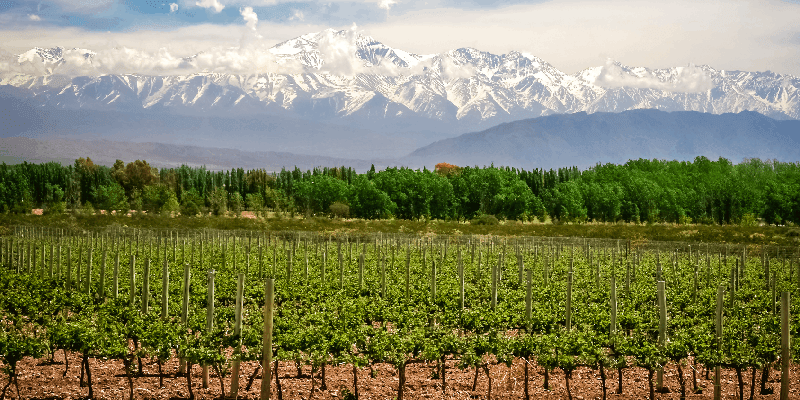
Mendoza is situated in western Argentina, hugging the Andean border with Chile. The region spreads across approximately 57,000 square miles and is divided into several key wine-producing sub-areas, including the Uco Valley, Luján de Cuyo, and Maipú, each with its unique terroir.
The Gift of Climate
The climate of Mendoza is a masterclass in how natural conditions can elevate winemaking to an art form. Here’s how:
High Altitudes and Diurnal Shifts
The vineyards in the Mendoza province are situated at high altitudes, ranging between 2,000 to 3,600 feet above sea level. This elevated position not only offers breathtaking scenery but also contributes to the wines’ exceptional quality. The high altitudes lead to significant diurnal temperature shifts, with warm days and cool nights. This variation allows for a slower maturation process, thereby concentrating flavors and aromas while preserving essential acidity in the grapes.
Precipitation Benefits
Mendoza experiences a semi-arid climate, with low annual rainfall. The lack of moisture minimizes the risk of fungal diseases, reducing the need for chemical treatments. This dry weather, combined with abundant sunshine, ensures that grapes achieve optimal ripeness.
Andean Water: Liquid Gold
The Andes Mountains serve not just as a majestic backdrop but also as a vital water source. The snowmelt from the Andes mountain range provides natural irrigation through a network of canals and ditches, allowing for controlled watering. This is especially crucial in an environment where water is scarce.
Microclimates: An Extension of Climate’s Influence
Within Mendoza, the microclimates in the sub-regions—Uco Valley, Luján de Cuyo, and Maipú—contribute to the wines’ diversity.
Uco Valley
Located at the highest altitude, Uco Valley benefits from cooler temperatures. This is prime territory for growing both red and white grapes, producing wines with marked acidity and complex flavor profiles.
Luján de Cuyo
This region is the cradle of Malbec. Being closer to the Mendoza River provides natural irrigation, influencing the character of the wines. Luján de Cuyo Malbecs are known for their dark fruit flavors and plush tannins.
Maipú
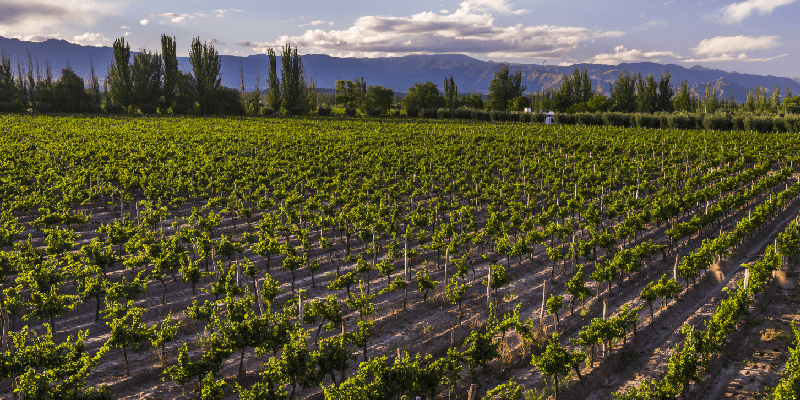
The warmest among the three, Maipú is perfect for growing Cabernet Sauvignon and Syrah, which thrive in the heat. Wines from Maipú often exhibit ripe, juicy flavors and a full body.
Economic Stature
Mendoza accounts for nearly 70% of Argentina’s total wine production. Producing around 1.2 billion liters annually, according to the National Institute of Viticulture, the wine sector is a major pillar of the region’s economy. Internationally, Mendoza wines are exported to over 100 countries, with primary markets including the United States, the United Kingdom, and Canada. The wine industry in Mendoza is not just a local enterprise but a global phenomenon.
Popular Argentinian Wines
Malbec: The Crown Jewel
Malbec is the grape that put Mendoza on the world wine map. These wines are characterized by their deep purple color and flavors of black cherry, plum, and blackberry, often complemented by notes of tobacco, dark chocolate, and leather. High altitudes and ample sunshine contribute to Malbec’s signature ripe, fruit-forward profile while maintaining its acidity and complexity.
Cabernet Sauvignon
Cabernet Sauvignon thrives in the warm microclimates of Mendoza, particularly in the Maipú region. The high temperatures allow the grape to fully ripen, producing wines that are rich and robust. With flavors of blackcurrant, green pepper, and often a touch of spice, these wines are known for their tannic structure, making them excellent candidates for aging.
Syrah
Syrah benefits from both the high altitudes and warm climates in Mendoza. The grape yields wines that are deeply colored and full-bodied, boasting flavors of blackberry, plum, and black pepper, often with smoky undertones. The complexity of Mendoza’s Syrah makes it a versatile food-pairing wine.
Torrontés
Primarily grown in the Uco Valley, Torrontés benefits from the cooler temperatures, which help preserve its aromatic compounds. The wines exhibit floral notes of rose and jasmine, mingling with fruity flavors of peach and lychee. The wine’s high acidity and pronounced aromatics make it an ideal partner for spicy foods.
Chardonnay and Sauvignon Blanc
Although Mendoza is famous for its red wines, white varieties like Chardonnay and Sauvignon Blanc are emerging as notable contenders. Chardonnay from this region often exhibits tropical fruit flavors with a creamy texture, often aged in oak to add complexity. Sauvignon Blanc, on the other hand, is crisp and refreshing, showcasing flavors of green apple, lime, and sometimes a touch of herbal notes.
Bonarda
Bonarda, originally from Italy, has found a welcoming home in Mendoza. These wines are less tannic than Malbec and are known for their red fruit flavors, especially cherry and raspberry. They offer a lighter, more approachable style, which makes them excellent for everyday drinking.
Tempranillo and Petit Verdot
These two grape varieties, originating from Spain and Bordeaux respectively, are gaining traction in Mendoza. Tempranillo produces medium-bodied wines with flavors of plum, berries, and hints of leather and tobacco. Petit Verdot is mostly used in blends to add color, tannic structure, and flavors of dark fruit and spice.
In conclusion, the Mendoza wine region offers an impressive array of wines, thanks to its unique climate and geography. The high altitudes, varied microclimates, and abundance of sunshine create an ideal environment for producing world-class wines that range from robust reds to aromatic whites. With its diverse portfolio, Mendoza continues to enthrall wine lovers around the globe. Cheers to Mendoza, a true epicenter of viticultural excellence!
Wineries in Mendoza
Mendoza City is home to some of South America’s – and the world’s – best wineries. Sip on world-class Malbec wines at a wine tasting, schedule a private tour for an in-depth guide to winemaking in a Mendoza vineyard, or schedule a lunch with wine pairings.
Bodega Catena Zapata
A legacy winery, founded in 1902, Bodega Catena Zapata set the standard for quality Argentine wines. Dr. Nicolás Catena Zapata’s research on high-altitude viticulture revolutionized Malbec and put Argentina on the global wine stage.
Trapiche
Established in 1883, Trapiche represents tradition and innovation. With an extensive range of wines, from exceptional Malbec to sparkling wines, the winery is a testament to the diversity of Mendoza’s viticulture.
Achaval-Ferrer
Though founded only in 1998, Achaval-Ferrer has received numerous accolades for its Malbec and Bordeaux-style blends. Focused on low-yield, high-quality grape production, the winery represents the new wave of Argentine winemaking.
Domaine Bousquet
This winery is renowned for its organic vineyard practices. Established by a French family, the winery has adopted a European approach to winemaking, emphasizing natural practices and producing wines that are expressive of their terroir.
Zuccardi Valle de Uco
Founded in the 1960s, this family-run winery has been a pioneer in exploring the potential of the Uco Valley. Their focus on terroir-driven wines has garnered them numerous international awards.
Mendoza, Argentina, encapsulates the essence of a wine region that has honed its craft through a confluence of history, geography, and climate. With an economic footprint that spans the globe and a range of wines that delight the palate, Mendoza stands as a towering testament to the intricacies and elegance of viticulture. Whether you are a novice wine enthusiast or a seasoned connoisseur, Mendoza’s wines offer a journey through the diversity and richness that define this remarkable region.
