
Uruguay may be South America’s second smallest country tucked between Argentina and Brazil, but it’s making significant strides in the world of wine. It has a unique blend of climate, geography, and history with every ingredient needed for making high-quality fine wines. Let’s explore the evolution of the Uruguayan wine industry, its unique terroir, economic importance, the types of wines produced, and some of the most renowned wineries contributing to Uruguay’s growing reputation.
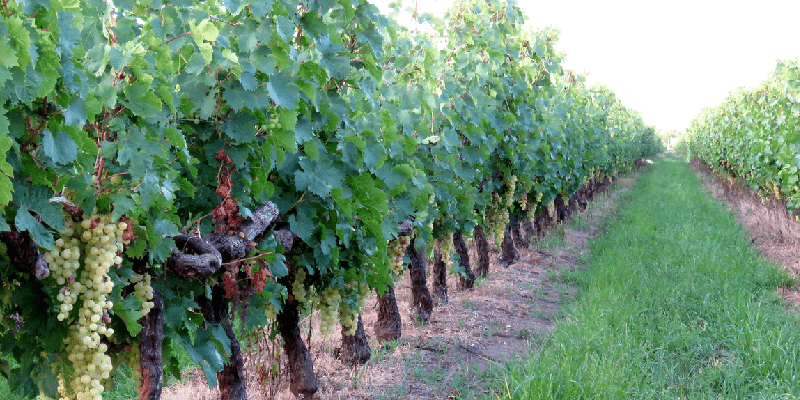
A Brief History of Uruguayan Wine
Uruguay’s journey in the realm of winemaking is a fascinating tale of perseverance, innovation, and cultural influence. While grape cultivation can be traced back to the Spanish colonial period in the 18th century, the Uruguayan wine industry got its real start in the late 19th century. During this period, the Basque immigrants played a pivotal role by introducing Tannat vines from France to Uruguay. The Tannat grape, native to the Madiran region of France, found its second home in the welcoming soils and climate of Uruguay, and since then, has become the country’s flagship grape variety.
Despite being South America’s second smallest country, Uruguay’s wine industry experienced a series of transformations throughout the 20th century. Uruguayan wine began to garner national attention, leading to the establishment of regulatory bodies. One of the most important milestones in this journey was the formation of INAVI (Instituto Nacional de Vitivinicultura) in 1987. INAVI has been instrumental in standardizing wine production, controlling quality, and facilitating exports, giving Uruguayan wines a competitive edge in global markets.
Modern Uruguayan winemaking also leans heavily on technological advancements. From state-of-the-art harvesting machines to sophisticated fermentation techniques, Uruguay has adopted international best practices to ensure quality and consistency. Yet, at the heart of Uruguayan winemaking lies a commitment to traditional methods and a respect for the land—resulting in organic and sustainable farming practices that further the character and complexity of the wines.
Moreover, the growing interest in wine tourism has led to a revitalized focus on the overall experience offered by Uruguayan vineyards. Visitors can now participate in grape harvesting festivals, enjoy curated wine tasting sessions, and explore the winemaking process from grape to glass.
Uruguay’s Wine Regions
Uruguay’s vineyards are primarily concentrated in the regions of Montevideo, Canelones, and Maldonado. Each of these regions benefits from the maritime influence of the Atlantic Ocean or the Río de la Plata, offering a unique blend of climates and soils.
Canelones
Canelones is the powerhouse of Uruguayan viticulture, housing over 60% of the country’s vineyards. The region is adjacent to Montevideo, and the two share many climatic similarities. However, what sets Canelones apart is its incredibly diverse soil profile. The area boasts a range of soils from clay to limestone, loam, and sandy soils. Each soil type contributes a unique nuance to the grapes grown, adding to the complexity and versatility of the wines produced here. Canelones is particularly famous for its Tannat wines, which exhibit intense dark fruit flavors, complex aromas, and a robust tannic structure that is ideal for aging.
Montevideo
The capital city of Uruguay, Montevideo, is more than just a bustling urban center—it’s a gateway to some of the country’s most promising vineyards. Vineyards surrounding Montevideo benefit from the mild climate and ample rainfall, characteristics that are similar to the Bordeaux region in France. Wineries around Montevideo specialize in a variety of grapes, from the robust Tannat to the subtler but equally charming Merlot.
Maldonado
Maldonado is a fascinating contrast to Montevideo and Canelones. Located closer to the southeastern coast, the region is characterized by maritime influences and granitic soils. These conditions are ideal for grape varieties that thrive in cooler climates. Pinot Noir, for example, has found a comfortable home in Maldonado, offering wines with delicate red fruit flavors, balanced acidity, and complex earthy undertones. Albariño is another grape variety that has recently gained popularity in the region, offering crisp, aromatic wines that perfectly complement Uruguay’s seafood-dominated cuisine.
Climate and Its Suitability for Winemaking
Uruguay’s climate is classified as temperate maritime, influenced by the Atlantic Ocean and the Río de la Plata. This offers moderate temperatures and consistent rainfall, making it ideal for grape cultivation.
Maritime Influence
The proximity to large bodies of water tempers the climate, preventing extreme fluctuations in temperature, thereby allowing grapes to ripen slowly and evenly.
Rainfall and Soil
Average annual rainfall ranges from 800 to 1,000 mm, enough to sustain vineyards without artificial irrigation. The well-drained calcareous soils, rich in minerals, provide the essential nutrients for both wine grapes and vine growth.
Economic Statistics
The wine industry in Uruguay is a significant contributor to the national economy. In 2019, Uruguay exported wines worth $44 million, with the largest markets being Brazil, the United States, and Russia. The industry employs over 10,000 people directly and indirectly. Moreover, wine tourism is becoming an increasingly important segment, attracting enthusiasts from around the world.
Types of Wine Grown in Uruguay
Tannat
Tannat is more than just a grape variety in Uruguay; it’s a symbol of the country’s winemaking identity. Originally from the Madiran region in France, Tannat found a hospitable home in the soils of Uruguay, particularly in the Canelones region. The grape produces robust red wines known for their intense dark fruit flavors—think blackberries, cherries, and plums—coupled with high tannin content and complex aromas of tobacco, leather, and dark chocolate. Given its sturdy structure, Tannat wines are excellent candidates for aging, with some vintages lasting decades while continually developing flavor complexity.
Furthermore, Tannat wines often undergo a process called “micro-oxygenation,” a technique developed in France to soften the grape’s hefty tannins. This not only makes the wine more approachable in its youth but also enhances its aging potential. These wines are often enjoyed with hearty meals like beef asados (barbecues), making them an integral part of Uruguayan cuisine and culture.
Albariño
While Tannat dominates the red wine scene in Uruguay, Albariño is quickly becoming the star among white wines. Originating in Galicia, Spain, this grape variety has found a suitable home in Uruguay’s cooler coastal regions like Maldonado. Albariño wines are known for their aromatic intensity, often exhibiting notes of green apple, citrus, and sometimes tropical fruits. They offer a crisp, refreshing acidity that makes them incredibly versatile in food pairings, especially with seafood dishes, a staple in Uruguayan cuisine.
Albariño wines from Uruguay often have a unique mineral quality, likely due to the granitic soils of regions like Maldonado. The moderate maritime climate allows the grape to ripen slowly, preserving its natural acidity and aromatic compounds, which are so crucial for its flavor profile.
Merlot
Merlot may not be native to Uruguay, but it has been a part of the country’s viticultural landscape for decades. Often softer and more approachable than the dominant Tannat, Merlot wines from Uruguay usually exhibit flavors of red fruits like cherries and raspberries, along with herbal and sometimes spicy undertones. These wines are typically medium-bodied and offer a softer, velvet-like tannin structure, making them incredibly easy to drink and enjoy.
Uruguayan Merlot is often produced in regions with a mix of clay and sandy soils, such as Montevideo and Canelones, allowing the grape to express both its fruity and complex, earthy aspects. These wines often serve as an introductory palette for those new to Uruguayan wines and are versatile in food pairings, from poultry dishes to pasta.
Pinot Noir
Pinot Noir, the famed grape from Burgundy, France, is making significant inroads in Uruguay, especially in cooler climate regions like Maldonado. In these areas, the grape produces wines with a delicate balance of red fruit flavors like strawberries and raspberries, balanced by vibrant acidity and subtle earthy undertones. Thanks to the influence of the Atlantic Ocean, these grapes enjoy a long, slow ripening season, which helps in building flavor complexity.
Uruguayan Pinot Noirs are gaining a reputation for their elegance and subtlety. The wines are often aged in French oak barrels, which impart additional layers of flavor like vanilla, spice, and a touch of smokiness. These wines are best enjoyed with lighter meat dishes like duck or lamb, and they offer a refreshing alternative to the more robust reds that Uruguay is known for.
Cabernet Sauvignon
Cabernet Sauvignon is a rich red wine that’s also popular in Uruguay. It’s mainly grown in the Canelones region, where the soil and weather are great for this type of grape. The wine has flavors of dark fruits like blackberries, and it often gets extra flavor and richness from being aged in oak barrels. This wine is a hit at barbecues and goes well with red meat.
Sauvignon Blanc
Sauvignon Blanc is a white wine that’s known for being fresh and zesty. In Uruguay, you’ll find it mainly in coastal areas like Maldonado, where the cool ocean air helps the grapes maintain their lively flavor. This wine is usually enjoyed young and has flavors like green apple and lime. It’s the perfect wine to have with seafood or a light salad.
Highlight: Popular Wineries in Uruguay
Bodega Garzón
Location: Located near the coastal town of Punta del Este in the Maldonado region, Bodega Garzón enjoys a scenic setting replete with rolling hills and oceanic vistas.
Age and Ownership: Established in 2008, the winery is relatively young but has made a significant impact in a short time. Owned by Argentine oil and gas tycoon Alejandro Bulgheroni, Bodega Garzón has quickly become a beacon of Uruguayan winemaking.
Wines They’re Known For: While they produce a range of wines, their claim to fame is their exquisite Tannat and Albariño wines. Their single-vineyard Tannat has received several international awards, putting Uruguayan wines on the global map.
Tours: The winery offers a variety of experiences for visitors, from basic tours and tastings to gourmet meals at their world-class restaurant. They also offer a unique opportunity to explore the vineyard through hot air balloon rides.
Other Information: Sustainability is at the heart of Bodega Garzón’s operations. The winery is LEED-certified (Leadership in Energy and Environmental Design) and uses gravity flow winemaking techniques to minimize energy consumption. The winery’s cutting-edge technology and old-world methods create a harmonious blend of innovation and tradition.
Juanicó
Location: Situated in the Canelones region, Juanicó is just a short drive from Montevideo, making it a convenient day trip for tourists and locals alike.
Age and Ownership: Founded in 1830, Juanicó is one of Uruguay’s oldest wineries and carries a rich history. Owned by the Deicas family since 1979, the winery has experienced significant modernization and expansion under their stewardship.
Wines They’re Known For: Juanicó is renowned for its range of red and white wines but holds a special reputation for its Tannat and Merlot offerings. Their ‘Don Pascual’ range is particularly celebrated and offers a fantastic introduction to Uruguayan wines.
Tours: Juanicó offers comprehensive tours that take visitors through their historic cellars, state-of-the-art production facilities, and of course, their picturesque vineyards. Tours often conclude with a tasting session where you can sample some of their finest wines. They also offer a gourmet experience that pairs wines with traditional Uruguayan cuisine.
Other Information: Juanicó has won numerous national and international awards for its wines and is a regular participant in wine festivals and expositions globally. Its commitment to quality is evident not just in the wines it produces but also in the winery’s efforts to educate and engage with the public through wine courses, seminars, and specialized tastings.
Uruguay may be a small country, but its contributions to the world of wine continue to grow. With a history rooted in Tannat, a climate ideally suited for diverse grape varieties, and an industry contributing substantially to the economy, Uruguay stands as an emerging wine powerhouse. The future of Uruguayan wine looks promising, as wineries continue to garner international acclaim, making it an exciting region for wine enthusiasts to explore.
