
Australia’s wine industry has experienced a significant transformation, evolving from a small-scale, local endeavor to a globally recognized enterprise. By integrating traditional techniques with modern vineyard practices, Australian wines have become synonymous with quality, environmental sustainability, and a distinct regional character. This global recognition has not only boosted exports but has also garnered numerous international awards for the country.
A Brief History Of Australian Wine Production
The Australian wine industry traces its roots back to the late 18th century. Still, it wasn’t until the 19th century that it evolved as a significant player in viticulture. British settlers initially brought vines from Europe, and regions like Hunter Valley in New South Wales became pioneers in winemaking. Over the years, the focus shifted from quantity to quality, and by the late 20th century, Australian wines began gaining international recognition. Innovations in technology, combined with a deeper understanding of regional terroirs, catapulted the Australian wine industry onto the global stage by the 21st century.
Today, Australian wine production is a world-recognized industry, combining traditional techniques with modern viticulture. The country is gaining higher exports and numerous international accolades, significantly from regions like the South Australia wine region, led by the Barossa Valley wine region, among others.
South Australia Wine Region: Barossa Valley, McLaren Vale, and Adelaide Hills
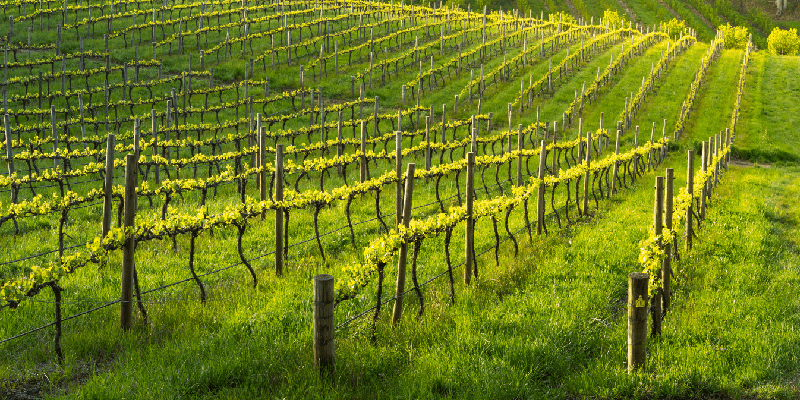
South Australia is perhaps most renowned for the Barossa Valley wine region. Established in the 1840s, the Barossa Valley is particularly well-known for its Shiraz wines, which are rich and full-bodied. The climate here is warm with cool winters, and the soil typically comprises a mix of sand and clay. Major wine brands from this region, including Penfolds, Jacob’s Creek, and Yalumba, contribute to the over 150 wineries that make South Australia a hub for wine tours and tastings.
Adjacent to the Barossa Valley wine region is McLaren Vale, another important sector in the South Australia wine region. While McLaren Vale also produces quality Shiraz, it has gained recognition for other grape varieties such as Grenache and Cabernet Sauvignon. The Mediterranean climate, influenced by the nearby ocean, allows for balanced grape maturation. Notable wineries include d’Arenberg, Wirra Wirra, and Coriole.
Adelaide Hills, also in South Australia, is gaining attention for its Sauvignon Blanc among other varietals. The area’s cooler climate and distinct soil characteristics produce wines with vibrant acidity and aromatic complexity.
Eden Valley and Clare Valley
Eden Valley and Clare Valley, situated near the Barossa, are known for their white wines, primarily Riesling. Their history dates back to the 19th century, and the cooler climate, coupled with the unique soil characteristics, contribute to wines with a distinctive minerality. Key producers include Henschke from Eden Valley and Pikes from Clare Valley.
New South Wales: Hunter Valley
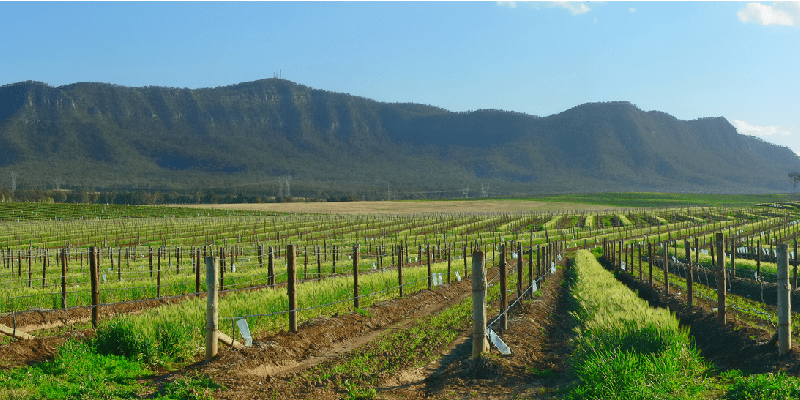
Hunter Valley, one of Australia’s oldest wine regions, is located in New South Wales. Known for its Semillon wines, this region offers a humid subtropical climate and alluvial soils that enable the production of wines that age gracefully. Tyrell’s, Brokenwood, and Audrey Wilkinson are among the top wineries in this region, attracting wine tour enthusiasts looking for distinctive flavors.
Western Australia: Margaret River and Swan Valley
Western Australia’s Margaret River has become a significant contributor to Australian wine production despite its relatively short history dating back to the 1960s. Known for its Cabernet Sauvignon and Sauvignon Blanc, the maritime climate and gravelly soils are well-suited for viticulture. Key players include Vasse Felix, Leeuwin Estate, and Cullen Wines. Swan Valley, in contrast, is one of Australia’s oldest wine regions. Known for its full-bodied wines, including Shiraz and Verdelho, wineries such as Sandalford, Houghton Wines, and Talijancich Wines are noteworthy.
Victoria: Yarra Valley
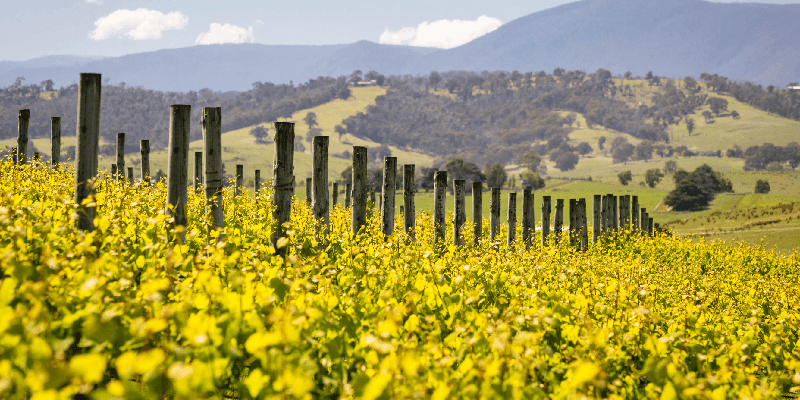
Yarra Valley in Victoria is worth mentioning for its cool climate, making it ideal for producing high-quality Pinot Noir and Chardonnay. The region is known for its complex, well-balanced wines that often rival their international counterparts. Domaine Chandon is one of the major wineries contributing to Yarra Valley’s growing reputation.
Tasmania: Tamar Valley
Finally, Tamar Valley in Tasmania is emerging as a significant player in the world of sparkling wines, comparable to traditional European regions. Jansz is a notable winery contributing to the region’s rising prestige.
The Australian wine industry has matured significantly, with the Barossa Valley wine region and South Australia wine region leading the way. Various regions, each with unique climate and soil conditions, contribute to Australia’s diverse and growing portfolio, gaining both national and international recognition.
