
Sauvignon Blanc is more than just a popular grape; it’s a global sensation in the wine world. If you’re drawn to wines with crisp, fresh flavors like citrus and enjoy an aroma that can fill a room, then chances are you’ll love Sauvignon Blanc. Whether you’re new to wine tasting or have been enjoying wine for years, this grape variety has something to offer for everyone.
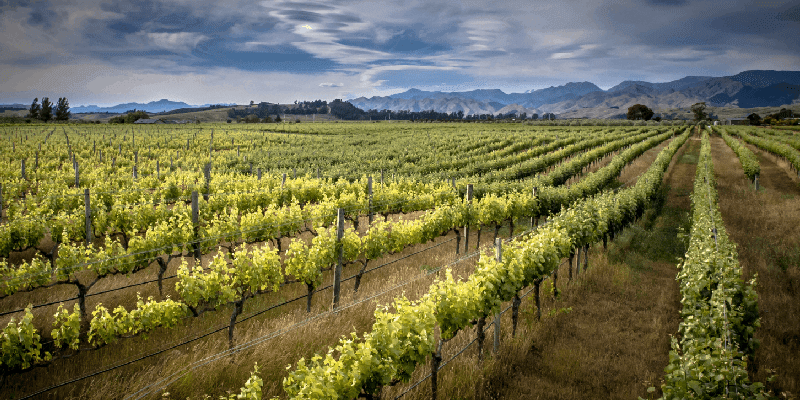
Sauvignon Blanc has come a long way from its roots in Bordeaux, France. Today, it is grown in various parts of the globe, from the United States to New Zealand, and even South America. Each region adds its unique twist to the grape, making the grape a versatile choice for wine enthusiasts of every level.
Taste Profile
A green-skinned grape variety from the Bordeaux region of France, Sauvignon Blanc stands out for its high acidity and green, herbaceous flavors. When you take a sip, expect to find notes of peach, green apple, lime, and sometimes tropical fruits like passion fruit. It’s also not uncommon to sense aromas of green bell pepper or freshly cut grass.
Like most wine, Sauvignon Blanc’s flavors change significantly depending on where it’s grown. Understanding the wine’s “terroir”—a term that describes how the specific growing environment affects the flavor of the grape – makes knowing which region the wine is grown crucial when selecting the right one for you.
Bordeaux, France – The Birthplace of Sauvignon Blanc
Located in the southwest of France, Bordeaux is the true home of the Sauvignon Blanc grape. Its wine-making history, which stretches back thousands of years, the region’s unique terroir, characterized by gravel, limestone, and its clay soils provide the ideal conditions for this grape to flourish. It is in Bordeaux that the grape often finds itself blended with Sémillon, another white grape varietal, to create wines that range from crisp and dry to sweet.
The Loire Valley
Situated in the northern part of France, the Loire Valley has a continental climate, with cold winters and hot summers. Its chalky soils offer a uniquely different terroir than Bordeaux, leading to distinct expressions of the same grape.
The Loire Valley has several sub-regions like Sancerre and Pouilly-Fumé that are individually famous for Sauvignon Blanc. These wines feature a pronounced minerality due to the limestone and flint-based soils. This minerality perfectly complements the grape’s natural acidity, leading to wines that are both crisp and complex and a favorite among Sauvignon Blanc enthusiasts.
Varietal Styles
In Bordeaux, Sauvignon Blanc is featured in several types of wines. In the dry category, you have Bordeaux Blanc, a blend of Sauvignon Blanc and Sémillon, which has a rich texture and crisp acidity. There are sweeter wines from areas like Sauternes, where the grape takes on honeyed notes, thanks to the noble rot that affects the grapes in this subregion.
Loire Valley Sauvignon Blancs are often described as highly aromatic, with acidity and flavors that lean towards green apple, white peach, gooseberry, and sometimes even smoky or flinty notes. Unlike Bordeaux, where the grape is often blended, in the Loire Valley it’s usually presented in a pure form.
Recommended Producers
Some of the famous Bordeaux estates known for their exceptional Sauvignon Blanc blends include Château Haut-Brion, Château Smith Haut Lafitte, and Domaine de Chevalier. Each of these châteaux showcases the grape’s versatility, whether it is in blends or as a varietal wine. While these winemakers might be among the more well-known, the list doesn’t do justice to the region’s winemaking abilities, and we encourage you to research to fine the vineyards you like.
Marlborough, New Zealand
Sauvignon Blanc In The New World
Marlborough, located on New Zealand’s South Island, has gained well-deserved notoriety as a world-class producer of Sauvignon Blanc. The region’s well-draining alluvial soils and maritime climate, with mildly warm days and cool nights, let the grape mature its flavors evenly and contribute to its vibrant acidity and intense flavor profile.
Climate’s Role
Marlborough experiences long, sunny days and cool nights, a diurnal temperature variation that allows the grape to maintain its acidity while developing robust flavors. The cool, windy conditions discourage pests and diseases, making it easier to maintain organic and sustainable farming practices.
Unique Flavors
Marlborough Sauvignon Blancs are known for piercing intensity and high aromatic qualities. Unlike the French versions, New Zealand Sauvignon Blanc tends to exhibit pronounced tropical and gooseberry notes, sometimes with a touch of green pepper or freshly cut herbs.
Iconic Wineries
Cloudy Bay and Villa Maria are among the iconic wineries in the region. Their Sauvignon Blanc wines have played a significant role in putting Marlborough on the global wine map. These wines are often enjoyed young, capturing the grape’s youthful zest.
United States
Californian Excellence
California is often seen as the American stronghold of Sauvignon Blanc, embracing both traditional and innovative approaches to this versatile grape. One term you’ll frequently encounter here is “Fumé Blanc,” a name coined by the legendary Robert Mondavi in the 1960s. He used the term as a marketing strategy to distinguish his oak-aged Sauvignon Blancs from the lighter, fresher styles of the time.
Climate and Terroir
California’s topography allows Sauvignon Blanc to be grown in multiple climatic conditions; from cooler coastal areas to the warmer climates of regions like Napa Valley. In the cooler coastal regions like Sonoma County and Monterey, the grape tends to produce wines with higher acidity, underlined by green and citrus notes such as lime and green apple.
Napa Valley’s warmer climates contribute to a riper, fuller-bodied style of Sauvignon Blanc. The increased warmth allows for a deeper expression of fruit flavors, including more tropical notes like mango and papaya, alongside the classic citrus and green apple characteristics. These warmer climates offer a different lens to appreciate the grape, giving it a more voluptuous character while retaining its intrinsic acidity and zest.
Flavor Profiles
Californian Sauvignon Blancs often include the influence of oak aging, which adds layers of complexity and a creamy mouthfeel, distinguishing them from their French and New Zealand counterparts. Some winemakers also blend in a small amount of Sémillon to add texture and complexity.
Top Producers
Wineries like Duckhorn Vineyards and Robert Mondavi have led the way in elevating the status of Californian Sauvignon Blanc. Their wines often feature ripe melon and peach flavors, balanced by adequate acidity and sometimes a hint of vanilla from oak aging.
Beyond California, Sauvignon Blanc is produced in Washington, Oregon, and the Finger Lakes region of New York state.
Australia
Although Australia is primarily celebrated for its Shiraz, the country has been gaining recognition for its Sauvignon Blanc, particularly in regions like Adelaide Hills and Margaret River. With various climates across its wine-producing areas, Australia offers an interesting playground for this grape.
Terroir and Climate
Regions like Adelaide Hills benefit from higher altitudes and cooler climates, which contribute to a more elegant, restrained style of Sauvignon Blanc. In contrast, Margaret River experiences a maritime climate that can produce richer, more complex Sauvignon Blancs, often blended with Sémillon.
Flavor Profile
In Australia, you’ll often find a balanced profile that combines herbaceous and green notes with tropical fruits like passion fruit and pineapple. Depending on the region and winemaking techniques, oak influence may or may not be present.
Top Producers
Australian wineries like Shaw + Smith in Adelaide Hills and Leeuwin Estate in Margaret River have received critical acclaim for their Sauvignon Blanc wines, showcasing the grape’s adaptability and potential for excellence in Australia.
South America
Chile
Chile, particularly the Casablanca Valley and San Antonio Valley, offers some delightful versions of Sauvignon Blanc. The coastal influence, along with the colder Andean air, creates a unique microclimate for the grape.
Flavor Spectrum
In Chile, Sauvignon Blanc often presents a balanced profile with moderate acidity, showcasing a mix of green, herbaceous qualities, like freshly cut grass, and ripe fruit flavors like grapefruit and peach.
Other Notable Countries
Argentina also produces Sauvignon Blanc, although less prominently than its famed Malbec. However, regions like Mendoza are beginning to experiment with high-altitude plantings of Sauvignon Blanc, yielding wines with crisp acidity and citrusy notes.
Leading Wineries
Chilean producers like Lapostolle and Montes have gained international attention for their Sauvignon Blancs, which offer a harmonious blend of Old World elegance and New World fruitiness.
South Africa
A Rainbow of Styles
South Africa’s varied geography and climate bring about diverse Sauvignon Blanc styles. Coastal regions like Constantia and Elgin are known for their maritime influences and mineral-rich soils, suitable for this grape variety.
Climate and Terroir
Much like the Loire Valley, the cooler regions in South Africa produce wines that are both fruity and herbaceous. They feature a compelling balance of tropical fruit flavors like guava and passion fruit, alongside green notes of bell pepper and freshly mown grass. South African winemakers often use a variety of winemaking techniques, including the use of stainless steel for fresher styles and older oak for complexity. Some also make use of skin contact for added texture and richness.
Renowned Wineries
Brands like Cape Point Vineyards and Steenberg are helping to define South African Sauvignon Blanc, each offering a unique expression of local terroir.
Best Food Pairings with Sauvignon Blanc
The high acidity and bright flavors of Sauvignon Blanc make it an excellent choice for food pairings:
- Seafood: Think oysters, shrimp, and lighter fish like sole or tilapia.
- Poultry and Pork: Its crisp acidity can cut through the richness of chicken and pork dishes.
- Vegetarian dishes: Perfect with salads, green vegetables, and dishes featuring goat cheese.
- Spicy Foods: The wine’s acidity and fruitiness can balance the heat in spicy Asian and Mexican cuisines.
Some of the Best-Known Sauvignon Blanc Winemakers/Wine Brands
- Cloudy Bay: This New Zealand winery is often credited for popularizing Sauvignon Blanc in Marlborough. Their wines exhibit pronounced tropical fruit flavors.
- Domaine Vacheron: An esteemed producer in the Loire Valley, known for their mineral-driven, elegant Sancerre wines.
- Duckhorn Vineyards: A notable Californian producer, their Sauvignon Blanc often features a touch of Sémillon and is sometimes aged in oak for added complexity.
- Cape Point Vineyards: A South African winery that makes a balanced, herbaceous Sauvignon Blanc.
- Lapostolle: This Chilean producer makes Sauvignon Blancs that feature balanced acidity and ripe fruit flavors.
The next time you think of a white wine, consider Sauvignon Blanc. Expect minerality if it’s from the Loire Valley, sweeter, fruit-forward flavors from a warm region like Napa Valley, and a great balance from regions like Marlborough.
