
As wine growers and drinkers turn their gaze towards eco-friendly options, two terms dominate the discourse: natural wine and organic wine. Although they might sound similar, they are fundamentally different in philosophy, production, and often in taste. Understanding the differences between the two can elevate your wine experience and align it more closely with your values.
What is Organic Wine?
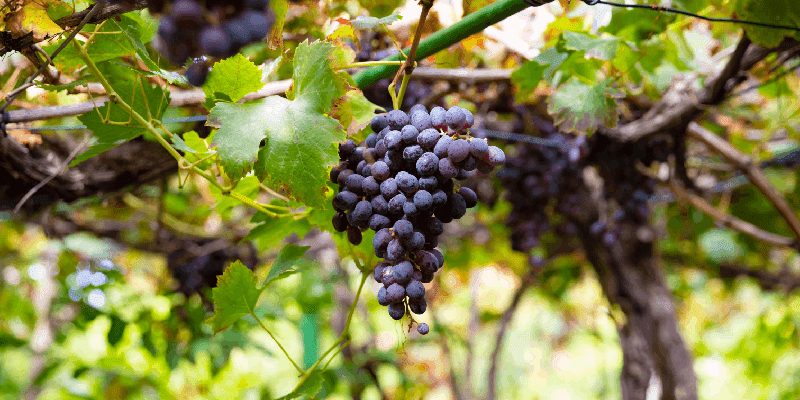
Organic wine is made from grapes that are grown following the principles of organic farming. It means no synthetic pesticides, herbicides, fungicides, or chemical fertilizers are used in the vineyard. Instead, organic vintners opt for natural alternatives such as sulfur and copper sprays. The regulations for organic wine vary from country to country, but they all generally adhere to the aforementioned criteria for grape growing.
What is Natural Wine?
Natural wine takes the concept of organic wine a step further. While it typically begins with organically or biodynamically farmed grapes, the focus extends to the winemaking process. Minimal intervention is the guiding philosophy here, meaning no added sugars, commercial yeasts, or sulfites (although trace amounts may be present naturally).
Ten Key Differences Between Organic Wine and Natural Wine
Certification
Organic Wine: Organic wine typically requires certification from a recognized governing body. For instance, in the United States, you have the USDA, while France uses ECOCERT. This certification ensures that the wine meets specific standards related to organic farming practices.
Natural Wine: Unlike organic wines, natural wines do not have a universal certification body. Instead, they are largely self-regulated, relying on the trust between producers and consumers.
Why It’s Important:
Certification serves as a quality assurance measure, providing a guarantee to consumers about the methods used in grape farming. The absence of certification in natural wines isn’t necessarily a negative aspect; it leaves room for more artistic freedom and experimentation within the natural wine community.
Grape Growing
Organic Wine: The grapes used for organic wines are farmed using organic methods, which means no synthetic chemicals are involved. This practice helps maintain soil quality and benefits the surrounding ecosystem.
Natural Wine: Generally, the grapes used in natural wines are farmed organically or even biodynamically, embracing a holistic approach to agriculture that often includes lunar cycles and natural composts.
Why It’s Important:
The focus on eco-friendly farming practices in both categories is better for the environment and potentially beneficial for health. However, natural wines often take it further by incorporating biodynamic principles, which aim for a more balanced ecosystem.
Winemaking Process
Organic Wine: Organic wines can employ modern winemaking techniques and are less restrictive about interventions such as temperature control, acid adjustments, or the use of selected yeast strains.
Natural Wine: The philosophy of minimal intervention prevails in the production of natural wines. This means that the winemaker interferes as little as possible, allowing the grapes to transform into wine more organically.
Why It’s Important:
The winemaking process can significantly affect the taste, color, and longevity of the wine. Natural wines offer a different experience altogether, often showcasing more unique and variable characteristics.
Additives
Organic Wine: Organic wines may contain limited additives, including some sulfites, which act as preservatives. However, the quantity is strictly regulated.
Natural Wine: Natural wines do not contain any added sulfites or other additives. However, sulfites may naturally occur during the fermentation process.
Why It’s Important:
Additives can dramatically affect a wine’s taste and aging process. Those sensitive to additives like sulfites will often find natural wines to be a better choice for them.
Filtration and Fining
Organic Wine: Filtration and fining, techniques used to clarify the wine, are usually permitted in the production of organic wines.
Natural Wine: These wines are typically unfiltered and unfined, which can result in a cloudier appearance and more sediment in the bottle.
Why It’s Important:
Filtration and fining can remove not just impurities but also compounds that contribute to a wine’s character. The lack of these processes in natural wine often results in a more complex, textured beverage.
Yeast
Organic Wine: The use of commercial yeast is generally permitted in the production of organic wines, aiding in a more controlled fermentation process.
Natural Wine: Natural wines rely on wild, native yeasts for fermentation, which can make the process less predictable but more reflective of the wine’s terroir.
Why It’s Important:
The type of yeast used can have a profound impact on the wine’s flavor profile. Native yeasts introduce a unique complexity and sense of place or ‘terroir’ to natural wines.
Taste Profile
Organic Wine: The taste of organic wines is often more consistent from year to year, owing to the controlled variables in both farming and production.
Natural Wine: Taste can vary widely, sometimes even between different batches from the same vineyard, due to the minimal intervention philosophy.
Why It’s Important:
Your preference for consistency or variability in taste will guide your choice between organic and natural wines.
Longevity
Organic Wine: Organic wines, especially those with added sulfites, usually have a longer shelf-life compared to natural wines.
Natural Wine: These wines are generally best enjoyed relatively soon after production, as they lack the preservatives that prolong shelf life.
Why It’s Important:
For those interested in aging wines, organic wines are often a better fit. Natural wines, on the other hand, offer a different kind of appeal with their “drink now” freshness.
Visual Appearance
Organic Wine: The visual appearance of organic wines is usually clearer and brighter due to the filtration and fining processes.
Natural Wine: Natural wines can appear cloudier because they are often unfiltered and unfined.
Why It’s Important:
Some wine enthusiasts derive aesthetic pleasure from the clarity of a wine, while others find the cloudiness of natural wines to be a visual cue for their rustic authenticity.
Price Point
Organic Wine: Organic wines can be more budget-friendly because they are often produced at a larger scale, thus benefiting from economies of scale.
Natural Wine: Due to their small-batch production and artisanal methods, natural wines often come at a higher price point.
Why It’s Important:
Your budget may well determine which category of wine is more accessible for you. Organic wines offer a more economical avenue into eco-conscious drinking, while natural wines offer an artisanal experience at a premium.
Conclusion
Understanding these key differences between organic and natural wines can deeply enrich your wine-drinking experience, guiding you to choices that align with your palate, your principles, and even your health goals. Both types have a lot to offer; it just depends on what you’re looking for in a bottle of wine.
