
When it comes to white wine, there are few that capture the imagination quite like Moscato wine. Originating from Italy, Moscato is often thought of as a dessert wine. It has enamored connoisseurs and casual drinkers alike with its sparkly and sweet range of flavors. The aromatic allure of this fruity wine not only tantalizes the palate but also tells a story steeped in Italian tradition. From the multitude of styles, including five main types, to the landscapes that nurture the grapes, Moscato is an unforgettable experience for the senses.
Overview of Moscato Wine
Moscato wine is crafted from the Muscat grape, more specifically known as the Muscat Blanc or Moscato Bianco grape variety. This grape is one of the oldest cultivated varieties in the world and is renowned for the aromatic and sweet characteristics it lends to the wine. Tracing its roots back to Italy and, more specifically, the Piedmont region, Moscato wine has been developed into various styles including still, sparkling, and dessert options. Due to its low to moderate alcohol content, typically ranging from 5-9%, Moscato has become an incredibly versatile wine that suits a myriad of occasions. Its flexibility and distinctive flavor profile have led to global recognition and enduring popularity.
The Main Types of Moscato
Moscato d’Asti
Characteristics and Style
Moscato d’Asti is a lightly sparkling wine produced mainly in the Piedmont region of Italy. Unlike its more effervescent relative, Asti Spumante, Moscato d’Asti is less fizzy and tends to have a softer mousse.
Flavor Profile
This wine is synonymous with flavors of peaches, apricots, and Meyer lemons. It also has floral undertones, often resembling a bouquet of elderflower or orange blossom. The sweetness is finely balanced by a lively acidity, making it refreshing and light.
Unique Features
The wine is usually lower in alcohol, ranging between 5-6%. It’s often enjoyed as an aperitif or with light desserts. The wine is best consumed young to appreciate its effervescence and fresh, fruity notes.
Asti Spumante
Characteristics and Style
Asti Spumante is another sparkling Moscato from Piedmont, but it differs from Moscato d’Asti in its effervescence level. It is fully sparkling, or “spumante,” and tends to be a bit more robust.
Flavor Profile
Asti Spumante shares some common flavor notes with Moscato d’Asti, such as peach and apricot, but it may also exhibit more concentrated flavors of green apple and pear, with hints of vanilla.
Unique Features
It’s generally higher in alcohol than Moscato d’Asti, ranging from 7-9%. This wine is often chosen for celebrations and is excellent with a range of desserts and fruits.
Still Moscato
Characteristics and Style
Still Moscato is a non-sparkling variant and is often considered the most versatile form of Moscato.
Flavor Profile
This type exhibits lush fruitiness with a pronounced intensity. Beyond the common peach and nectarine notes, one might detect flavors of mango, lychee, and even a touch of spice like ginger.
Unique Features
Still Moscato wines can range from semi-dry to very sweet, allowing them to be paired with a wide array of foods, including spicier cuisines. They can also age better than their sparkling counterparts.
Pink Moscato
Characteristics and Style
Pink Moscato is essentially Moscato wine with a dash of red wine, like Merlot or Zinfandel, added to it, giving it a lovely rosy color.
Flavor Profile
While it retains the sweetness and fruit-forward profile of classic Moscato, the addition of red wine brings in subtle notes of berries like strawberry and raspberry. The floral notes often take a backseat to the more robust fruit flavors.
Unique Features
This Moscato type pairs beautifully with a variety of foods, including cheeses and charcuterie, and is also a popular choice for sipping on its own during warm weather. It’s often compared to Red Moscato (Black Muscat) which includes higher red wine content like Syrah or Zinfandel.
Dessert Moscato
Characteristics and Style
Dessert Moscatos are often made from grapes that have been allowed to raisin either on the vine or after harvesting. This process concentrates the sugars, making the wine exceptionally sweet.
Flavor Profile
Dessert Moscato takes on richer, deeper flavors like baked apple, caramel, and even toffee, combined with the classic Muscat spiciness.
Unique Features
These wines are higher in alcohol, typically around 15-20%, and are well-suited to aging. They pair superbly with rich desserts like chocolate fondue or even blue cheese.
Where Moscato Wine is Grown
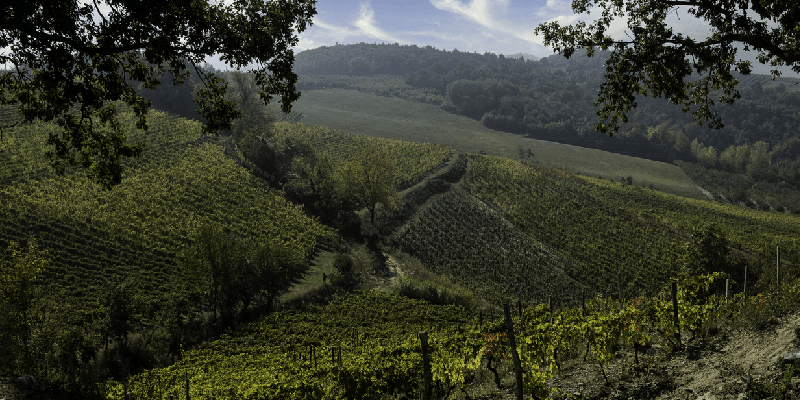
Although Moscato wine has a global presence, its heart lies in the Piedmont region of Italy. Nestled in the northwest corner of the country, Piedmont is encircled by the Alps and the Apennines, creating a unique microclimate that’s ideal for grape cultivation. The geography, climate, and soil composition here offer a nurturing home to the Muscat grape, specifically for making Moscato d’Asti and Asti Spumante, among other styles.
Piedmont’s Geographical Features
Piedmont is characterized by its hilly terrain, particularly in areas like Langhe, Roero, and Monferrato. These hills provide excellent drainage and varied soil types, which contribute to the complexity of the wines. The region experiences a continental climate, characterized by cold winters and hot summers, with sufficient rainfall to nourish the vines.
DOC and DOCG: What Do They Mean?
When discussing Italian wines, it’s crucial to understand the country’s classification system, primarily Denominazione di Origine Controllata (DOC) and Denominazione di Origine Controllata e Garantita (DOCG).
- DOC: This designation ensures that the wine is produced within a specific region, following a defined set of guidelines to uphold quality. For example, the grapes must be grown within the designated area, and winemakers must adhere to specific production methods.
- DOCG: This is a higher classification that imposes even stricter guidelines, including lower yields and higher natural alcohol content. Wines with this designation are also subject to taste tests and chemical analysis, further ensuring quality.
Moscato in Piedmont: DOC and DOCG Labels
In Piedmont, two types of Moscato wines commonly bear these designations—Moscato d’Asti and Asti (formerly Asti Spumante).
- Moscato d’Asti DOCG: This indicates that the wine is produced in specific sub-regions of Piedmont, under stringent guidelines. The grapes usually must be harvested by hand, and the wine often must pass a sensory evaluation to earn the DOCG status.
- Asti DOCG: Formerly known as Asti Spumante, this sparkling Moscato wine also holds the DOCG status. It has to be made from grapes grown within the defined Asti region and follow strict production methods to ensure the wine’s typical effervescence and quality.
These classifications are a hallmark of quality and a guarantee that the wine adheres to the traditional methods that have made Italian wines, and specifically those from Piedmont, celebrated worldwide.
Piedmont Sub-Regions for Moscato
Within Piedmont, the primary areas for high-quality Moscato grape cultivation include:
- Asti: This area is particularly famed for its Asti Spumante. The vineyards here benefit from calcareous-clay soils and a variety of microclimates, contributing to the wine’s complexity.
- Alba: Another sub-region where the Muscat grape thrives, Alba is renowned for its Moscato d’Asti, offering a more delicate, floral profile.
- Monferrato: This hilly region also produces excellent Moscato wines. The climate here is more variable, allowing for a broad range of styles and flavors.
How Moscato Wine is Made
Moscato wine starts with the careful cultivation of Muscat grapes. Once the grapes reach optimal ripeness, they are harvested and taken to the winery for crushing and pressing. The juice is then fermented, but unlike many other wines, the fermentation process is often halted early to preserve some of the grape’s natural sugars, resulting in a sweeter wine.
In the case of sparkling Moscatos like Moscato d’Asti, a second fermentation takes place in pressurized tanks, giving the wine its characteristic bubbles. The wine is then filtered and bottled, often at a lower alcohol content to keep it light and approachable.
The Flavor Profile of Moscato Wine
Moscato is prized for its expressive bouquet and appealing flavors. The primary flavors you can expect include ripe peach, nectarine, Meyer lemon, and orange blossom. Some variations offer more exotic notes like Mandarin orange, honeysuckle, jasmine, and even a touch of zesty lime. The sweetness level can vary depending on the specific type and region but generally tends to be on the sweeter end of the spectrum.
As for the mouthfeel, Moscato wines are often light-bodied with a spritzy character when sparkling. The natural sweetness is often balanced by crisp acidity and light bubbles, making it refreshing and easy to enjoy.
Moscato Food Pairings
Moscato wine is a sweet and fruity option that pairs wonderfully with a variety of foods. For starters and appetizers, consider a cheese platter featuring soft cheeses like brie or a dish of prosciutto-wrapped melon. Its sweetness also balances well with the flavors of spicy shrimp, sushi, or even spicy Asian cuisines like Thai or Indian dishes. If you’re into lighter meats, a chicken satay or pork tenderloin with apple sauce can complement the wine beautifully.
When it comes to desserts and brunch foods, Moscato is an equally strong choice. A fruit tart featuring peaches or apricots echoes Moscato’s fruity profile, and a scoop of lemon sorbet can serve as a delightful palate cleanser. For brunch, its lower alcohol content makes it a great match for pancakes, waffles, or quiches. Whether you’re enjoying a casual brunch or a more formal dinner, Moscato can enhance a wide range of meals with its sweet, refreshing character.
Popular Moscato Makers
Several brands and wineries have gained fame for their Moscato wines. Among them:
- La Spinetta: Known for their exceptional Moscato d’Asti.
- Ruffino Moscato D’Asti – A Moscato d’Asti made by the famous Ruffino Winery.
- Michele Chiarlo: Offers a range of traditional Piedmontese wines, including Moscato.
- Barefoot Cellars: An American brand popular for its affordable and fruity Moscato.
- Brown Brothers: An Australian winery that has received praise for its Moscato and Moscato Rosa.
- Gallo Family Vineyards: Offers a wide range of Moscato styles, accessible and widely available.
What To Look for When Purchasing Moscato
Origin
The region where the Moscato is produced can greatly influence its flavor. Italian Moscatos, particularly those from Piedmont, are generally considered top-notch.
Sweetness Level
Check the wine label for indications of sweetness. Terms like “Dry,” “Semi-Dry,” or “Sweet” can offer clues.
Alcohol Content
Lower alcohol content often indicates a sweeter, lighter wine, while higher alcohol content can suggest a more robust, less sweet flavor.
Vintage
While Moscato is usually consumed young to enjoy its fruity freshness, some types like dessert Moscatos can age gracefully.
Brand Reputation
Reviews and recommendations can be a good way to gauge the quality of the wine. Reputed wineries are often a safer bet.
Moscato wine is more than just a sweet white wine from Italy. It’s a kaleidoscope of flavors, styles, and traditions that come together to offer a unique wine-drinking experience. Whether you’re new to the world of wine or a seasoned aficionado, Moscato offers a delightful departure from the ordinary. Cheers!
