
Tossing up between a cold, creamy glass of Chardonnay or a fruity, refreshing glass of Pinot Grigio on a lazy summer day is one of life’s little pleasures. And chances are, if you like a white, you will have tasted a Chardonnay and Pinot Grigio. Both varieties of white wine make for an easy-drinking drop; however, several key differences between the two are essential to understand so you can select the right wine for your taste preference and feel confident choosing between these two popular white wines.
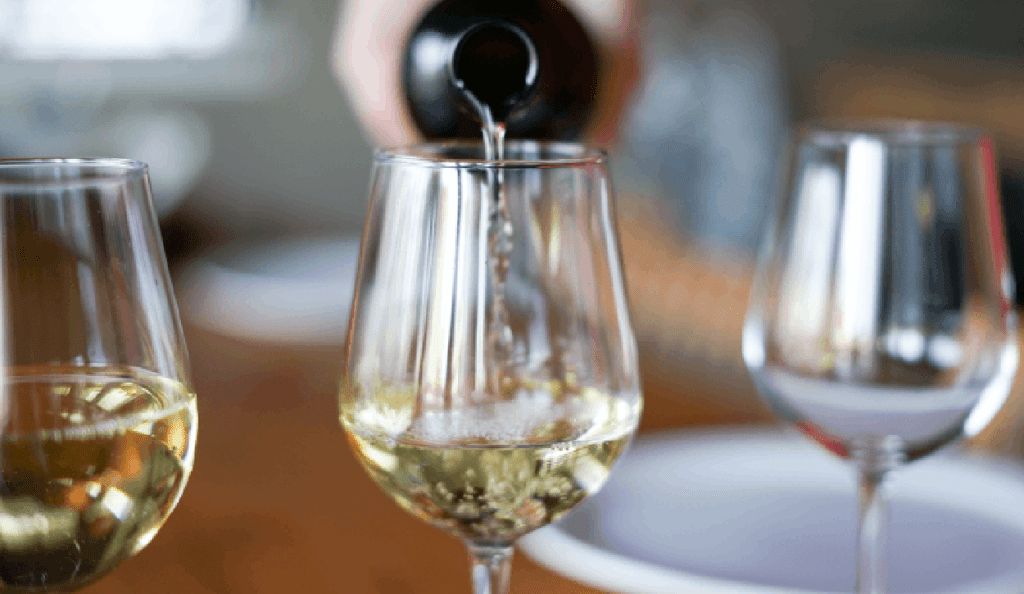
Reading this article will help you discover more about Chardonnay and Pinot Grigio’s flavor profiles, the different styles each varietal can produce, and which food pairing to choose for each wine for the ideal food match!
What are the key differences between Pinot Grigio and Chardonnay?
- Chardonnay tends to be a medium to full-bodied wine bursting with crisp fruit flavors that range from zesty lemon to ripe tropical fruits like fresh pineapple and juicy papaya. It can have hints of green apples or touches of summer stone fruit such as succulent peaches and nectarines.
- Whereas a Pinot Grigio wine tends to be lighter, a little more crisp than a Chardonnay, refreshing, and easy to drink. A Pinot Grigio usually leads with summer fruit flavors such as ripe pears, soft white peaches, touches of citrus, and hints of minerality. As a wine, Pinot Grigio is generally less complex in flavor than Chardonnay.
- As a grape variety, Chardonnay is prized for its versatility. For viticulturists, it’s an adaptable varietal that thrives in hot and cold climates. It is also particularly expressive, and different wine-making techniques result in a range of different styles of Chardonnay.
- Because of the grape’s expressive nature and versatility, there are many different styles of Chardonnay on the market, from full-bodied and buttery to heavily oaked or lighter, more elegant examples.
- There are three main styles of Pinot Grigio wines on the market. Dry with subtle mineral notes and a hint of salinity (a slight saltness), dry and fruit-forward where the primary fruit notes are the star of the wine, and you will also find a bit less commonly a fruity, sweet Pinot Grigio.
- When it comes to Chardonnay and Pinot Grigio, one of the critical differences that comes to mind is oak. When we think of a typical Chardonnay, we tend to think of oak; there are, however, both oaked and unoaked Chardonnay’s on the market.
- Most Pinot Grigio is unoaked; however, you will find some examples of oak-aged Pinot Grigio out there, but these are the exceptions to the rule.
Chardonnay Flavor Profile
Expressive chardonnay is a master of many styles. Colloquially known in wine circles as the winegrowers grape, its flavors and characteristics vary greatly depending on where it’s grown and the winemaking techniques used during production. It grows well in cool and warm climates and is cultivated worldwide, including in the world’s most regarded wine regions.
Overall, as a varietal, Chardonnay is highly expressive of its terroir. Terroir is a term used to describe the influence of the individual growing conditions on the flavor profile of the wine. This includes the effects of the soil composition, the area’s geology, the local microclimate, and the vineyard’s topography, such as the aspect of the slopes and altitude of the vineyard.
Chardonnay wines grown in a cooler climate are generally crisper and lighter in body. They are more acidic due to the slower ripening period of the grapes and tend to have bright citrus notes such as lemon, lime, or grapefruit. Cool climate Chardonnays can be perceived as leaner and full of well-balanced fruit flavors such as pear, green apple, or white peaches. You may detect hints of minerality and green herbs.

On the palate, a cool climate Chardonnay is generally refreshing and vibrant. You will find cool climate Chardonnay wines that have been aged in oak barrels and some that have been steel tank fermented.
In cooler climates, Chardonnay wines tend to be lightly oaked. The oak barrels impart notes of vanilla, hints of toast, and almonds and bring a delightful creaminess to the wine. Whereas unoaked cool climate Chardonnays carry forward just the primary fruit flavors from the grapes, they appear more fruit-forward on the palate.
If you’re looking for a cooler climate Chardonnay, look out for wines from the Burgundy region like Chablis, which is known for producing beautiful lean, unoaked Chardonnay or Cote de Beaune, which makes stunning rich Chardonnays brimming with floral notes, fresh white fruit flavors such as white peaches and a lovely smooth creaminess from the oak.
The Chardonnay grape originated from Burgundy, France, and the Burgundy region is well known for producing some of the world’s finest Chardonnay. Often, a Chardonnay from Burgandy will be referred to simply as a White Burgundy.
Other notable cool climate Chardonnays include bright, refreshing, minerally Chardonnay from the Sonoma Valley in the United States or the elegant, crisp Chardonnays of the Carneros in California.
South Africa’s Hemel-en-Aarde and Elin regions produce zesty, fresh Chardonnays, and both Malborough in New Zealand and Casablanca in Chile produce vibrant, fruit-forward examples.
In a warmer climate, Chardonnays tend to develop riper fruit flavors due to the fruit itself being riper. Expect tropical fruit flavors like ripe pineapple, mango, baked apple, or honey. Warm Climate Chardonnays are sometimes aged in oaked barrels, which gives the wine flavors of vanilla and butterscotch. They generally are more full-bodied and have a rich, velvety mouthfeel.
You will find examples of decadent buttery Chardonnays. This style of Chardonnay has undergone a wine-making technique called malolactic fermentation, which is responsible for creating a creamy, smooth texture and imparting a rich, buttery taste. Malolactic fermentation converts the tart malic acid into smooth lactic acid, creating a soft, rounder wine with a deep, complex flavor profile.
Is Chardonnay sweeter than Pinot Grigio?
Both Chardonnay and Pinot Grigio can vary in their levels of sweetness. However, both varietals are dry white wines, meaning there is not much residual sugar.
Chardonnays can have the perception of sweetness due to the fruit notes in the wine. Generally, if you want to buy sweeter-tasting Chardonnay, those grown in a warmer climate will be your best bet. While they are not necessarily sweeter, the riper fruit flavors will impart an increased perception of sweetness. Plus, Chardonnays from a warm climate tend to have a lower acidity, making the wine seem softer and sweeter.
Pinot Grigios are classically dry semi-aromatic wines. They typically have low residual sugar and high acidity, producing a crisp, refreshing, fruity wine. However, you will find some examples of sweeter style Pinot Grigio.
What Food to Pair with Chardonnay
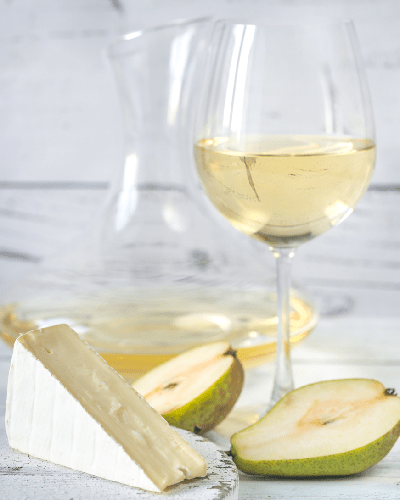 Chardonnay is an incredible food wine and works well with various food pairings. Due to its versatility and the variety of styles available, if you are a Chardy lover, you’re bound to find the perfect bottle to match whatever you have on the menu!
- Wine and cheese are like peas in a pod, perfect for enjoying together! Try a lean, unoaked Chardonnay with a gooey, creamy goat’s cheese. Creamy cheeses work better with wines with higher acidity, so a cool climate, Chardonnay is the way to go for those gooey, milder cheeses!
- If seafood is on the menu, Chardonnay can be an excellent match. Shellfish such as mussels, clams, and lobster can all work well with a buttery oaked Chardonnay, which has enough body and complexity to stand up to the richness of the dishes.
- If you’re looking to match a Chardonnay with oysters, a lean, minerally Chardonnay from Chablis in Burgandy is considered one of the best matches as its minerality and acidity match the slight saltiness of the oysters.
- Dishes with decedent creamy sauces perfectly complement a creamy butter Chardonnay. Think comfort food from a hearty mac and cheese, rich carbonara sauces, or a butter-infused risotto.
- When matching a Chardonnay with meat, white meats work best. Try succulent pork tenderloin, smokey grilled chicken from the barbeque, or a creamy chicken fettuccine.
Pinot Grigio Flavor Profile
Approachable, uncomplicated Pinot Grigio is a mainstay for many white wine drinkers. The classic style of Pinot Grigio is a dry wine that is crisp, light to medium-bodied, with a relatively high acidity.
It has delightful fruity aromas on the nose with hints of granny smith apples, juicy summer pears, and zesty citrusy notes. You may pick up hints of grass and herbs or light floral aromas like hints of delicate honeysuckle. As a wine, Pinot Grigio is often described as semi-aromatic, meaning it has fruity notes on the nose, but those aromas are well-balanced and not too overpowering.
A good Pinot Grigio is often prized for its elegant, understated nature. As a variety, it tends to thrive best in a cooler climate, and although the Pinot Gris grape originated in France, Italy, particularly Northern Italy, is known for producing some of the world’s finest Pinot Grigio.
The classic Italian Pinot Grigio wine is clean on the palette. You may find hints of citrus, notes of peach, apricot, a touch of almond, and a steely minerality from the soil. Its flavors will be vibrant and ideal for enjoying on a long summer’s day.
You may have noticed that some wines are labeled Pinot Grigio and others Pinot Gris. They are both from the same grape and, effectively, the same wine. The main differences between the two come from the winemaking styles of each region.
Pinot Grigio is the Italian name, and Pinot Gris is the French name. Italian Pinot Grigio is usually fermented in a stainless steel tank, which preserves the primary fruit flavors of the wine. Whereas Pinot Gris is made in the French style, it may undergo oak aging, and the grapes tend to be left out longer on the vine before being harvested.
This results in a wine that is more full-bodied and slightly sweeter due to more residual sugars in the fruit because of the later harvest of the grapes. The finished wine is often a richer golden color.
The flavor profile of Pinot Gris has more ripe fruit on the palate with notes of white peach, sweet ripe nectarine, and honey. The wine will have a slightly lower acidity than a Pinot Grigio and a higher alcohol content.
Is Pinot Grigio a sweet white wine?
Generally, a Pinot Grigio is not a sweet wine. A classic Italian style is dry with very little residual sugar; however, a Pinot Gris is slightly sweeter and can be classified as off-dry.
Some of the sweetest Pinot Gris comes from the Alsace region of France, where they use wine-making techniques such as late harvesting and barrel fermentation to concentrate the sweetness of the wine. However, Pinot Gris are still classified as off-dry rather than sweet.
What Food to Pair With Pinot Grigio
 As a Pinot Grigio is a lighter wine, we want to match it with lighter dishes that won’t overpower the wine’s elegant nature.
- Pinot Grigio works perfectly with light summer salads. Think fruit-filled salads with peach and nectarine, fresh, ripe summer tomatoes, and more delicate cheeses like halloumi or mozzarella.
- Delicate white fish, white meat, and crab dishes that are not too heavy can be ideal for matching with an understated Pinot Grigio, as neither will overpower the other, letting the flavors of the food and the wine stand out.
- A more full-bodied Pinot Gris can hold up to slightly heavier dishes, particularly those that have been barrel-aged. Here, you can match with creamy pasta dishes and fattier fish like salmon.
Which wine should you try?
Both Pinot Grigio and Chardonnay are both incredible wines in their own right. Depending on your personal preference, each has its individual merits. They are both grown globally across all the major win regions, including Europe, the United States, South Africa, Chile, New Zealand, and Australia.
