
Chardonnay is a versatile wine with a wide range of flavors. Despite its common fruit-forward, buttery finish, it’s actually not considered a sweet wine at all. To understand the flavor profiles of Chardonnay, it helps to know several key factors like the region it’s grown, the winemaking methods, and the way it’s aged.

Understanding Chardonnay’s Flavor Profile
With roots stretching back to the Burgundy Region of France, Chardonnay is one of the most consumed wines in the entire world. It’s a versatile and popular white wine varietal that has a range of flavors and characteristics, making it an appealing choice for many wine enthusiasts. Its flavors can vary depending on factors such as the region it was grown in, the winemaking process used, and whether it was aged in oak or stainless steel barrels.
Chardonnay is a dry white wine with a medium body and medium alcohol level. Some Chardonnays have green fruit flavors like pear, green apple, and lime, while others are more fruit-forward with tropical fruit flavors and aromas.
Is Chardonnay Sweet?
Chardonnay contains less than 17 grams of residual sugar per liter, putting it square on the dry side of the wine sweetness chart which ranges from “Bone Dry” (0 to 1 grams of residual sugar per liter (g/L)) to “Very Sweet” (Over 220 g/L) which often refers to dessert wines.
However, some wine drinkers taste slight sweetness as a result of the residual sugar. Variations in Chardonnay’s sugar content are based on factors such as the climate where the grapes are grown, the ripeness of the grape, and the winemaking process.
Harvest Time
The length of time a grape stays on the vine has an impact on whether that particular wine will be sweeter or not. Grapes that stay on the vine until very mature will have a higher sugar content. This is commonly done in warmer regions.
Early harvest wines, in contrast, will be more acidic due to their naturally lower sugar content.
Winemaking Techniques
Some winemakers use winemaking methods to influence the sweetness level, such as malolactic fermentation, which converts sharper, stronger acids into softer ones that result in a creamier texture. Wine that undergoes this process can have a perception of slight sweetness without additional sugar.
While it is rare, some winemakers will add residual sugar to their Chardonnay to enhance the fruity flavors.
Oak Aging
The use of oak barrels, which is common in aged Chardonnay can impart a rich, subtly sweet profile to the wine.
Terroir
The unique combination of geography, climate, and soil all play a significant role in the taste of Chardonnay. The Chardonnay grape variety is a neutral grape and adapts to various conditions, which results in different flavor profiles based on its growing region.
This is why Chardonnay from cooler climates, such as Chablis in France or Marlborough, New Zealand, tends to be crisper and more acidic, while those from warm climates, like California and South Africa, can be richer and more full-bodied.
Acidity
The sweetness in Chardonnay can also be influenced by the acidity of the wine. Wine with higher acidity usually tastes more ‘dry’ than wine with less acidity. The sense of smell plays a significant role in the perception of sweetness as well, further contributing to the resulting taste of the Chardonnay.
In comparison to other white wines, Chardonnay is less sweet than Moscato but slightly sweeter than Sauvignon Blanc and Pinot Grigio, depending on the specific wines being compared.
Unoaked Chardonnay Flavor Notes
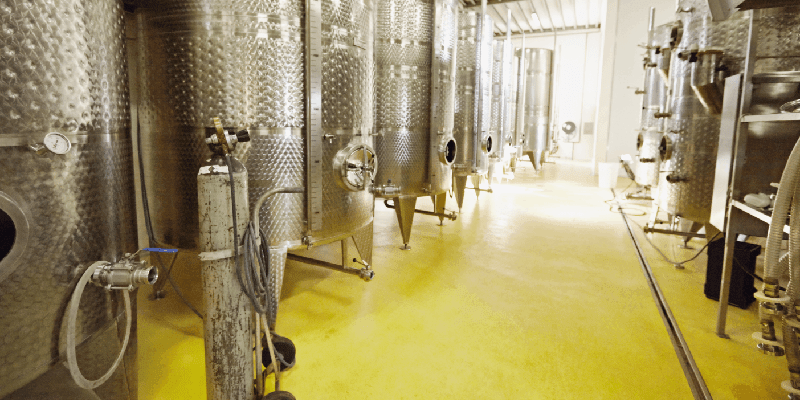
Chardonnay generally comes in two different styles: oaked and unoaked. Unoaked Chardonnay is most commonly from Chablis (where it is referred to as “Chablis”), the Loire Valley, and other cooler regions. These unoaked Chardonnays take on a mineral, zesty taste. They have notes of green fruits, like green apple, pear, and lime.
Oaked Chardonnay Flavor Notes
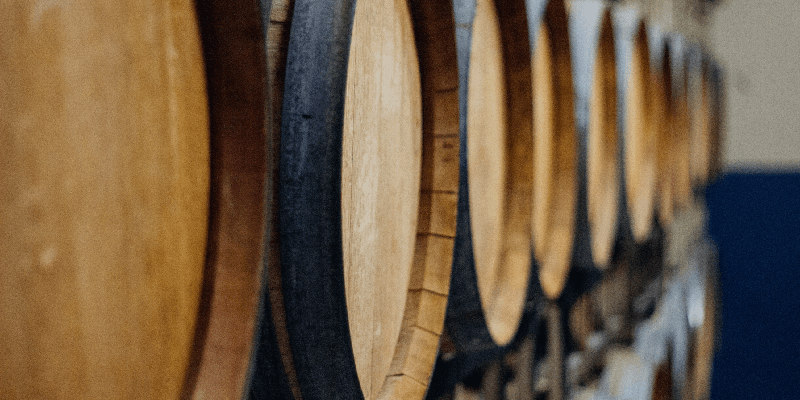
Oaked Chardonnay, which is most commonly found in California, Australia, and parts of Southern France, can be richer and more complex, with notes of vanilla, toast, and butter. It has a full body and can give slight hints of sweetness that unoaked Chardonnays generally do not have. While Chardonnay is not known as a wine with high alcohol content, oaked Chardonnay tends to have a higher ABV than unoaked.
The Making of Chardonnay Wine
Chardonnay is produced just like other white wines, with the exception that it often undergoes a second fermentation which can significantly impact its flavors and aromas.
In the vineyard, Chardonnay grapes are harvested when they have reached optimum ripeness, which is usually later than other grapes like Sauvignon Blanc grapes. This ensures that the grapes have sufficient sugar levels and balanced acidity, which will greatly impact the final wine’s taste and structure.
Once the grapes are harvested, they are pressed, fermented, and aged. After the first fermentation, some Chardonnays undergo a second fermentation called malolactic fermentation to give it a smooth, buttery finish. Once the fermentation process is done, some winemakers choose to age the Chardonnay in oak barrels, stainless steel tanks, or glass containers depending on their desired taste profile.
While there is no 100% definitive answer to the question “Is Chardonnay sweet or dry?” Chardonnay is generally considered a dry wine and should be approached and paired with foods accordingly. If you’re one of the sweet wine lovers, we recommend you stick with an oaked Chardonnay from California. If not, Chardonnay from a cool climate like Chablis is a great choice.
