
Chardonnay, one of the most popular and versatile white wine grape varieties in the world, presents an array of styles and flavors depending on its growing region and winemaking techniques. One of the most distinct differentiators is the influence of oak. The use of oak barrels in winemaking dates back centuries and has dramatically influenced the profile of many wines, including Chardonnay. In this article, we delve into the role oak plays in winemaking, how it impacts the flavor profile of Chardonnay, and the types of oak used in Chardonnay production.
What is Oak Used for in Winemaking?
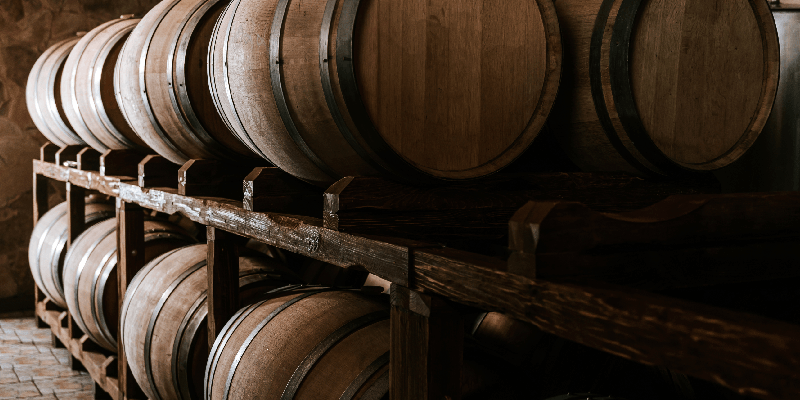
Oak barrels have been used in winemaking for ages, serving multiple purposes that go beyond mere storage. The interaction between the oak and wine is a subtle science that affects the wine’s flavor, complexity, and aging potential.
Flavor Infusion
Oak barrels infuse wine with a complex set of flavors and aromas. Compounds like vanillin, tannins, and lignin interact with the wine, adding layers of flavor, such as vanilla, butter, caramel, and even spice.
Micro-Oxygenation
Oak is semi-permeable, allowing small amounts of oxygen to interact with the wine, a process known as micro-oxygenation. This helps stabilize the wine, improve its color, and soften its texture, making it more palatable and complex over time.
Aging
Oak barrels are an essential tool for aging wines. The slow interaction between the wood and wine allows the wine to develop a more complex character, smoothing out harsh tannins and enhancing its aromatic profile.
How Does Oaked vs. Unoaked Chardonnay Taste Different?
The influence of oak on Chardonnay results in a striking divergence in taste profiles, revealing the incredible versatility that winemakers can achieve with Chardonnay grapes. Here’s how the two styles differ.
Oaked Chardonnay
Oaked Chardonnay often exhibits a fuller body with rich, creamy texture with flavors of vanilla, butter, caramel, and sometimes toasty or smoky notes. Oaked wines are usually more full-bodied and complex, with a longer finish. The buttery quality often comes from a secondary fermentation process called malolactic fermentation, which is more commonly used in oaked versions.
Foods that pair best with oaked Chardonnay include:
- Creamy Sauces and Soups: The buttery qualities of oaked Chardonnay make it a perfect companion for dishes with creamy sauces like Alfredo pasta or a rich lobster bisque.
- Poultry and Pork: Grilled or roasted chicken and pork, especially when prepared with creamy sauces or fruit-based glazes, harmonize well with the complex flavor profile of oaked Chardonnay.
- Seafood: Richer seafood like salmon or scallops, especially when served with a butter or cream sauce, can stand up to the full-bodied nature of oaked Chardonnay.
- Cheese: Soft, creamy cheeses like Brie or Camembert, as well as medium-hard cheeses like Gruyère, are excellent choices.
- Root Vegetables: Dishes that feature root vegetables like sweet potatoes or parsnips can also benefit from the complex layers an oaked Chardonnay brings.
Unoaked Chardonnay
Unoaked Chardonnays offer a stark contrast. They are often aged in stainless steel tanks and tend to be lighter, crisper, and more refreshing, emphasizing the natural fruit flavors of the grape. Expect to taste green apples, citrus, and tropical fruits like pineapple. These unoaked wines are more straightforward, focusing on fruit purity and terroir expression rather than complex layers of flavors induced by oak aging.
Foods that pair best with unoaked Chardonnay include:
- Fresh Seafood: Think of pairing unoaked Chardonnay with dishes like shrimp ceviche, oysters, or a light fish like tilapia.
- Salads: The crisp acidity of unoaked Chardonnay cuts through the greens and complements vinaigrette dressings beautifully.
- Chicken and Turkey: Lighter poultry dishes, perhaps those prepared with citrus or herbs, are a good match for unoaked Chardonnay.
- Soft Cheese: Goat cheese and feta are excellent options, especially when included in salads or lighter dishes.
- Fruits and Vegetables: A platter of fresh fruits or a dish centered around summer vegetables like zucchini or asparagus will pair splendidly with the zesty notes of unoaked Chardonnay.
What Are the Types of Oak Used in Chardonnay?
The type of oak used can significantly influence the Chardonnay’s profile. Different oaks impart unique flavors, and the age and treatment of the barrels also play a role.
American Oak
American Oak is known for its more aggressive flavor profile, imparting strong notes of vanilla and coconut. The grain is looser, allowing for a more significant exchange between the wine and the wood.
French Oak
French Oak is the choice for many high-end Chardonnays. It has a tighter grain, which results in a more subtle, complex interaction with the wine. Expect delicate notes of spice, vanilla, and sometimes a touch of minerality.
Hungarian and Slavonian Oak
Less commonly used but gaining in popularity are Hungarian and Slavonian oaks. Hungarian oak offers a profile somewhat between American and French oaks, while Slavonian oak is known for its very tight grain and subtle influence, often used in long-aging wines.
Barrel Age and Toast Level
The age of the barrel and its toast level (the char on the inside of the barrel) can also influence the wine. Newer barrels impart stronger flavors, while older barrels have a more muted impact. Toast levels can add flavors ranging from toasty and smoky to caramel and chocolate.
Understanding the role of oak in the winemaking process can significantly enhance your appreciation of Chardonnay, one of the most popular white wines. Whether you are drawn to the layered complexity of an oaked Chardonnay or the bright, fruit-forward character of an unoaked version, this knowledge allows for a more enriched tasting experience. It also equips you to make more informed choices the next time you select a bottle of this versatile wine.
