
When you hear the term “red wine,” one of the first names likely to come to mind is Cabernet Sauvignon. Often referred to as the “King of Red Wine Grapes,” this varietal is revered in vineyards and dining tables worldwide. Whether it’s a romantic dinner or a grand celebration, Cabernet Sauvignon often takes center stage, cherished for its rich flavors, complexity, and aging potential.
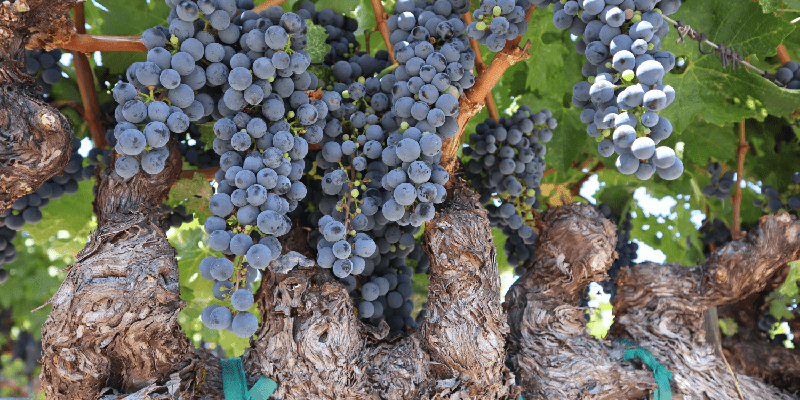
Hailing from a lineage that dates back to the 17th century, this grape varietal has transcended its French origins to become a global phenomenon. Its versatility in various climatic conditions and soils allows it to produce exceptional wines across different regions. This article aims to provide you with an in-depth understanding of this iconic wine, from its grape characteristics to its unique taste profile and key regions of production.
Overview of the Cabernet Sauvignon Grape
The story of Cabernet Sauvignon begins in the Bordeaux region of France, where it was discovered to be a natural cross between Cabernet Franc and Sauvignon Blanc grapes. This fortuitous cross led to a grape that combined the hardiness and structure of Cabernet Franc with the aromatic qualities of Sauvignon Blanc. One of the defining features of Cabernet Sauvignon grapes is their thick, durable skin, which not only resists disease but also contributes to the wine’s intense color and robust tannin structure.
In terms of cultivation, Cabernet Sauvignon is less finicky than some of its wine grape counterparts. It’s relatively easy to grow, as it adapts well to a variety of soil types and climatic conditions. However, it thrives in well-drained, gravelly soils and requires a longer growing season to reach its full potential. This grape is often one of the last to be harvested, typically ripening several weeks after other varieties.
Another important aspect is its small berry size, which means a higher skin-to-juice ratio. This results in wines that are rich in both tannins and flavor compounds. Over time, winemakers have learned to manipulate these qualities through various techniques like oak aging and blending to produce wines that can range from rich and complex to soft and approachable.
Taste Profile of Cabernet Sauvignon
The allure of Cabernet Sauvignon lies in its rich and multifaceted flavor profile. At its core, you’ll often find dark fruit flavors like black currant, black cherry, and black plum. These dark fruits are sometimes accompanied by subtle hints of green pepper, especially in younger wines or wines from cooler climates. The fruitiness is often balanced by notes of chocolate, tobacco, and vanilla, particularly in wines that have been aged in oak barrels.
Speaking of oak, it plays a pivotal role in shaping the flavor profile. Oak-aged Cabernet Sauvignon often carries hints of vanilla and spice, adding complexity to the wine. French oak barrels are commonly used, imparting more subtle and spicy tones compared to American oak, which tends to deliver more robust flavors like coconut and dill.
Regarding texture, Cabernet Sauvignon is a full-bodied wine, packed with silky tannins that give it structure and longevity. The presence of tannins can make the wine feel dry, but it also means that the wine has excellent aging potential. The grape’s natural acidity also contributes to its structure, making it a great food wine that can cut through richer dishes.
Regions Where Cabernet Sauvignon is Grown
Bordeaux, France
The term “Bordeaux wines” is synonymous with high-quality, age-worthy bottles, and Cabernet Sauvignon plays a central role in this reputation. Bordeaux is the birthplace of this grape varietal, and here it’s often blended with other grapes like Merlot and Cabernet Franc to create the legendary “Bordeaux Blend.” Bordeaux’s maritime climate, marked by moderate temperatures and high humidity, as well as its gravelly soils, creates a unique environment that has a significant impact on the grape’s characteristics.
The climate of Bordeaux contributes to slower ripening of the Cabernet Sauvignon grape, which often results in wines with complex aromatics and higher acidity, making them perfect candidates for aging. The Bordeaux wines made from this grape often exhibit flavors of dark fruit like black currant and blackberry, mingled with herbal and mineral undertones like green bell pepper, tobacco, and sometimes even leather or tar.
The “Bordeaux Blend”
In Bordeaux, Cabernet Sauvignon is frequently used in blends rather than as a standalone varietal. The Bordeaux Blend usually combines Cabernet Sauvignon with Merlot, Cabernet Franc, Petit Verdot, and occasionally Malbec. Each grape contributes unique qualities to the blend, resulting in balanced wines that carry the strengths of each component. Cabernet Sauvignon typically provides structure and body, thanks to its high tannin content, while Merlot adds softness and fruitiness.
California/Sonoma County
California, particularly the regions of Napa Valley and Sonoma County, offers a New World expression of Cabernet Sauvignon that is markedly different from its Bordeaux counterparts. The Mediterranean climate of California, with its hot, dry summers and mild, wet winters, allows the grape to ripen fully, resulting in wines that are fruitier and often higher in alcohol.
In Sonoma County, the diverse topography and maritime influence from the Pacific Ocean result in multiple microclimates that add layers of complexity to the Cabernet Sauvignon wines produced here. You’ll find flavors ranging from ripe black pepper, blackberry, and plum to more earthy notes like tobacco and even graphite, depending on the specific vineyard’s location. American oak barrels are commonly used for aging, imparting flavors of vanilla, coconut, and dill, adding another dimension to the already rich flavor profile.
Maipo Valley, Chile
Maipo Valley, tucked near the Andes Mountain Range, offers a unique terroir for Cabernet Sauvignon. The climate here is Mediterranean with a twist—the cold air descending from the Andes brings cooler temperatures, especially at night. This diurnal temperature variation allows for a longer growing season, which in turn contributes to the complexity and structure of the wine.
Chilean Cabernet Sauvignons from Maipo Valley often display a minerality that sets them apart from other regions. Alongside the traditional dark fruit flavors, you’ll find hints of green pepper and sometimes even a touch of mint or eucalyptus. The wines are well-structured and can age gracefully, but they are also more accessible in their youth compared to Bordeaux wines, making them a versatile choice for various occasions.
South Africa
South Africa, particularly regions like Stellenbosch, has been making strides in producing world-class Cabernet Sauvignon. The region’s unique terroir, characterized by decomposed granite soils and a Mediterranean climate with maritime influences, adds a distinct South African fingerprint to this varietal.
Warmer climates like South Africa allow for full ripening of the grapes, producing wines that are rich in dark fruit flavors like black currant and plum. However, the cool sea breezes in the evenings help retain acidity, giving the wine a balanced structure. South African Cabernets offer an appealing mix of Old World elegance and New World fruitiness, making them versatile and interesting.
Washington State
Washington State’s dry, arid climate and abundant sunlight create ideal conditions for growing Cabernet Sauvignon. The Cascade Mountains act as a rain shadow, ensuring that vineyards in regions like the Columbia Valley remain dry, forcing the vines to dig deep into the soil for water. This struggle results in concentrated, flavorful grapes.
Washington State Cabernets are known for their ripe, fruit-forward character, full of dark fruits like black cherry and blackberry. However, the naturally high acidity and firm tannin structure balance this fruitiness, making the wines exceptionally food-friendly. Earthy undertones of tobacco or graphite are also common, adding complexity and depth.
By understanding the climate and other regional factors that influence Cabernet Sauvignon, you’ll gain a deeper appreciation for the versatility and complexity of this beloved grape.
What to Look for When Buying Cabernet Sauvignon
Choosing a Cabernet Sauvignon can be daunting, especially for beginner or novice wine drinkers. Here are some key points to consider:
Vintage
The year the grapes were harvested can significantly impact the quality and taste of the wine. Good vintages from reputable regions often produce better wines. However, consistency is one of Cabernet Sauvignon’s strong suits, so even lesser vintages can offer enjoyable drinking experiences.
Region
As we’ve seen, the region can dramatically influence the taste and style of Cabernet Sauvignon. Bordeaux generally offers more structured wines suitable for aging, while California provides fruitier, more immediate options.
Oak Aging
If you prefer spicier, more complex flavors, look for wines that have been oak-aged. If you want something fruitier and more straightforward, unoaked versions are the way to go.
Price
Price is often an indicator of quality. While there are excellent value wines, renowned regions and acclaimed vintages will come at a premium.
As we’ve journeyed through the world of Cabernet Sauvignon, it’s clear why this grape variety has earned its title as the “King of Red Wines.” Whether it’s the time-honored traditions of Bordeaux or the modern ingenuity of California’s wine country, Cabernet Sauvignon proves to be a versatile and complex wine that can adapt and flourish across many climates and terrains.
