
Looking for the best wine fridge for your home? You’re not alone. Many people want a dedicated space to store their wine, especially as their collection grows. Choosing the right wine fridge isn’t just about size or price. It’s about understanding key features that make wine storage effective. In this guide, we’ll break down the top features you should consider, whether you’re adding a wine fridge to your home bars or just starting your collection.
1. Temperature Control and Stability
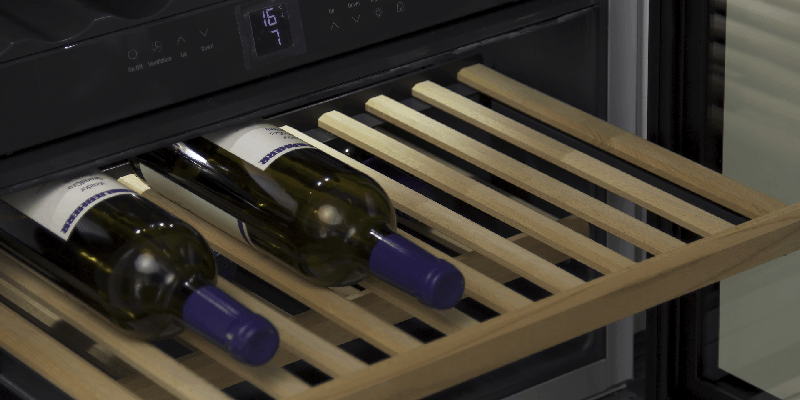
Temperature control is one of the most fundamental features of a quality wine refrigerator. It allows you to adjust the internal temperature to your desired level, usually within a range of about 45-65°F (7-18°C). The best wine coolers also have advanced systems that ensure the perfect temperature is achieved and maintained with no fluctuations.
Keeping the right temperature is critical for the aging and preservation of wine. Too warm, and the wine ages prematurely. Too cold, and it could become less expressive, with muted flavors and aromas. The stability part is equally crucial; even minor fluctuations can cause the wine to expand and contract, potentially affecting the integrity of the cork and allowing air to seep in.
For the wine enthusiast, a consistent temperature is non-negotiable. It ensures that every bottle in your collection is maintained at its optimal storage temperature, which in turn preserves its flavor and aging potential. The stability part ensures that once you set a temperature, you can “set it and forget it,” knowing your wine is in good hands. This is invaluable for those who have invested time and money in collecting their favorite wines.
Many wine fridges come with advanced features like dual thermostats and even smartphone Bluetooth controls, allowing you to adjust temperatures remotely. Some also include alarms that alert you if the temperature fluctuates outside of a set range. This level of control is particularly beneficial for wines that are sensitive to temperature changes, such as Pinot Noir or older vintage wines.
2. Dual or Multi-Zone Cooling
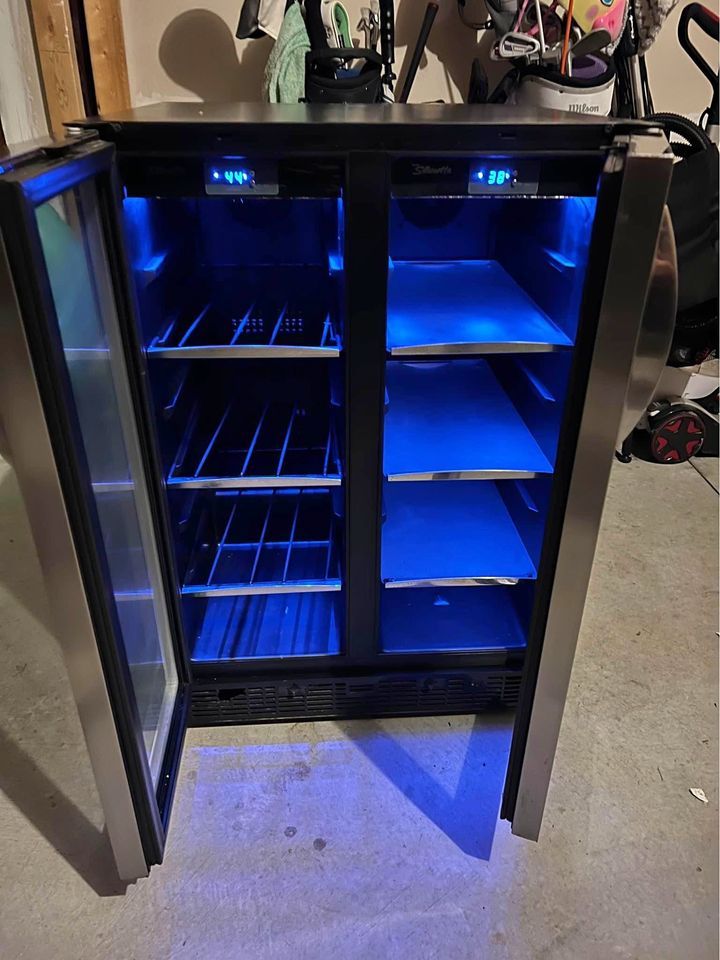 Multi or dual zone cooling refers to wine coolers with more than one temperature-controlled compartment. These zones can be individually set to different temperatures, allowing you to segregate your collection based on ideal storage conditions.
Different types of wines require different storage temperatures. For instance, white wines generally require cooler temperatures than red wines, and sparkling wines even cooler than whites. Single temperature beverage refrigerators simply won’t work for wine lovers with a diverse collection.
With dual temperature zones, you don’t have to choose between storing your whites or reds at an optimal temperature; you can do both in the same unit. This is incredibly convenient and ensures that all types of wines in your collection are stored under ideal conditions.
Some advanced models even offer more than two zones, allowing you to customize storage conditions for a broader range of wines. This feature is especially valuable for serious collectors or those who enjoy a wide variety of wine types. It eliminates the need for multiple storage units and simplifies wine management, offering both convenience and cost savings.
3. UV-Protected Glass Doors
UV-protected glass doors feature a special coating or layer that blocks out harmful ultraviolet rays. This type of glass is sometimes referred to as “low-E” (low-emissivity) glass, which reflects thermal radiation.
UV rays can have a detrimental effect on wine. They can accelerate the aging process and interact with organic compounds in the wine, leading to spoilage or unwanted chemical reactions. In the worst cases, this can result in “light-struck” wines that have a flat or “skunky” taste.
For anyone who has invested in a collection of fine wines, UV protection is a key feature. It offers peace of mind, knowing that the wines are safeguarded against one of the most common causes of spoilage. This is especially important for wines that will be stored for extended periods.
While UV-protected glass is an excellent feature, it’s worth noting that the best storage conditions for wine also include minimal exposure to light of any kind, including artificial light. Some high-end wine coolers come with LED lighting that minimizes heat and exposure while allowing you to view your collection.
4. Vibration-Free Technology
Vibration-free technology involves engineering solutions that minimize or completely eliminate vibrations within the wine cooler. This is often achieved through specially designed compressors, motors, and extra insulation.
Vibrations can disrupt the sediment in wine bottles, which is especially problematic for older wines or those that are intended for long-term storage. Over time, vibrations can lead to chemical changes within the wine, affecting its flavor, aroma, and overall quality.
For the serious wine collector, a vibration-free environment is essential for preserving the integrity of the wine. Such technology ensures that wines age gracefully, maintaining their intended flavor profiles and complexities.
Some high-end wine coolers go beyond basic vibration reduction by incorporating silent compressors and advanced shock-absorbing systems. These features can be especially important in settings where the wine cooler will be placed in living areas, as they also reduce operational noise.
5. Humidity Control
Humidity control allows you to adjust the level of moisture in the air within the wine cooler. This is usually achieved through either a built-in humidifier or a system that recirculates air to maintain a specific humidity level.
The cork in a wine bottle is sensitive to humidity. If the air is too dry, the cork can shrink, allowing air to enter the bottle and oxidize the wine. If the air is too humid, mold and mildew can form, affecting both the cork and the wine.
For those with a sizable investment in their wine collection, the ability to control humidity is invaluable. It ensures the longevity and quality of the wine, particularly for bottles intended for long-term aging.
Some advanced wine coolers come with hygrometers that display the current humidity level, and even alarms that alert you if the humidity goes out of the desired range. This allows for more precise control and easier monitoring of storage conditions.
6. Adjustable Shelving
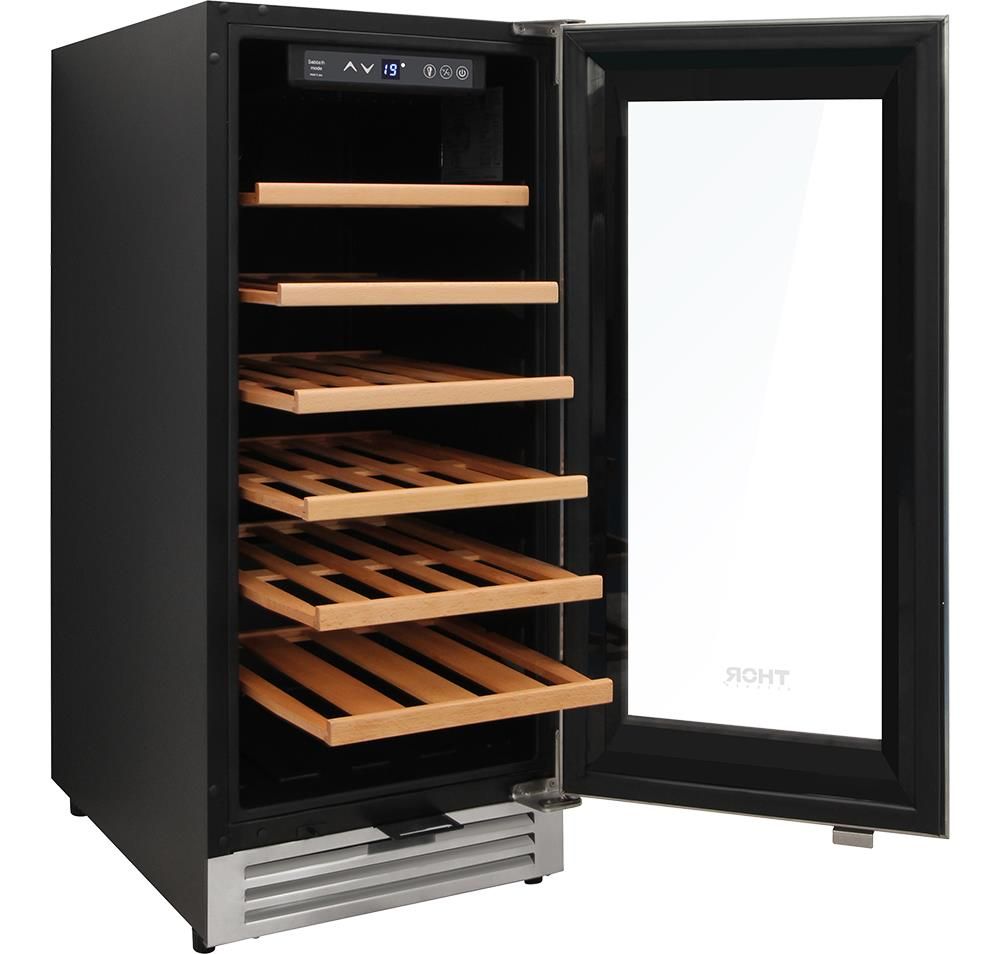 Adjustable shelving refers to the ability to move the shelves up or down, or even remove them entirely, to accommodate bottles of different bottle sizes and shapes. These shelves are often made from premium materials like beechwood or stainless steel, which are both sturdy and aesthetically pleasing.
Wine bottles come in various shapes and sizes, from the standard 750ml bottle to magnums and even larger sizes. Some bottles may have unusual shapes, like those of some sparkling wines or custom-designed luxury bottles.
The adjustability feature allows wine collectors to maximize storage space and organize their collection efficiently. It’s particularly useful for those who collect a wide range of wines, as it eliminates the need to store unusual or larger bottles separately.
Some high-end wine coolers also feature sliding shelves, which make it easier to access bottles without disturbing their neighbors. This is especially valuable for collections that include older wines, where even minor disturbances can stir up sediment.
7. Digital Display and Controls
A digital display and controls allow for precise setting and monitoring of temperature, humidity, and other features. These are usually touch-sensitive or button-operated panels located on the door or the interior of the wine cooler.
Digital controls offer a higher level of precision compared to analog controls. They also make it easier to adjust settings, often providing additional features like alarms or even remote control via a smartphone app.
For the wine aficionado, a digital display offers an easy and efficient way to monitor and adjust storage conditions. This ensures that wines are always kept at their optimal state, preserving their quality and aging potential.
High-end models may offer connectivity features, allowing you to control and monitor your wine cooler from your smartphone. This can include adjusting temperatures, receiving alerts for temperature or humidity fluctuations, and even inventory management features to keep track of your collection.
8. Energy Efficiency
Energy efficiency in a wine cooler refers to its ability to maintain optimal storage conditions while using as little electricity as possible. This is usually achieved through high-quality insulation, efficient compressors, and smart technology that adjusts settings automatically to maintain conditions.
Energy efficiency is not only good for the environment but also for your wallet. The costs of running a wine cooler can add up over time, especially for units designed to store large collections.
An energy-efficient wine cooler offers the same (or better) performance as less efficient models but at a fraction of the operational cost. Over time, this can result in significant savings, making it an economically smart choice.
Look for wine coolers with an Energy Star rating or other certifications that indicate high energy efficiency. Some models also feature eco-modes that reduce power usage during periods of low activity, further enhancing their energy efficiency.
9. Storage Capacity
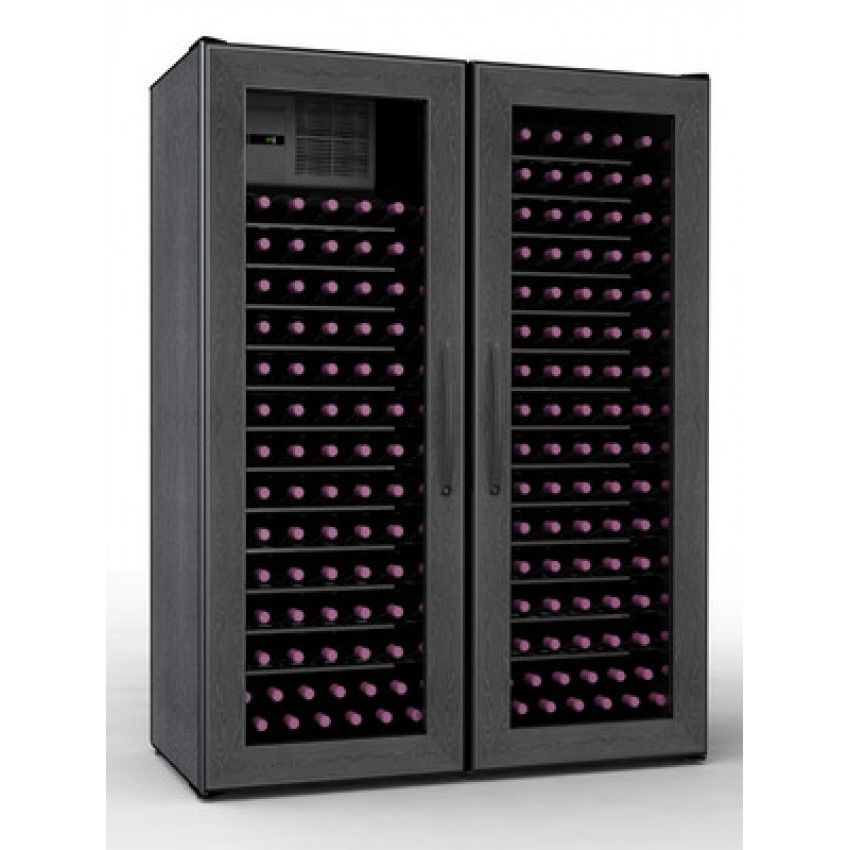 Wine coolers come in various sizes, designed to accommodate everything from a small collection to a vast array of bottles. Small wine fridges might have a 8-25 bottle capacity, while larger wine cabinets can store up to 100 bottles or more for serious collectors.
The size of your wine collection dictates the storage capacity you’ll need. A too-small cooler may mean you’ll outgrow it quickly, while an overly large one can be an inefficient use of space and energy. Understanding your current and future needs can guide you to the right choice between smaller coolers and more extensive wine cabinets.
For those with a small collection, a wine cooler that holds around 25 bottles may be more than sufficient. It offers a compact solution that can easily fit in most living spaces without dominating the room. On the other hand, those with or aspiring to larger collections might find a storage capacity of 100 bottles to be more appropriate. Wine cabinets with such capacity offer room to grow and often come with advanced features that cater to the needs of serious collectors.
When considering storage capacity, it’s also essential to think about bottle diversity. Some wine coolers and cabinets are designed with adjustable shelving to accommodate bottles of different shapes and sizes. This is particularly useful for those who enjoy a range of wine types and bottle formats. Even within a 25-bottle cooler, adjustable shelving can make a significant difference in how effectively you can use the space.
10. Aesthetic Design
Aesthetic design in a wine cooler involves more than just its shape or color. It’s about the quality of materials used, such as stainless steel doors or high-grade plastic for the body and natural wood for the shelves. Some coolers also include elegant interior LED interior lighting and sleek digital displays.
A wine cooler is often more than just a functional appliance; it’s a statement piece that reflects your appreciation for the finer things in life. A well-designed wine cooler can serve as the focal point in a room, complementing your home’s decor while showcasing your wine collection.
Beyond its functional capabilities, a beautifully designed wine cooler enhances the overall experience of collecting and enjoying wine. It adds an element of luxury and sophistication, making each interaction with your collection more enjoyable.
The aesthetic appeal of a wine cooler often goes hand-in-hand with its build quality. Manufacturers that invest in elegant design usually also pay attention to the functionality and durability of their products. As such, a well-designed wine cooler is often a reliable indicator of a high-quality appliance that will stand the test of time.
Choosing the right wine fridge can seem complicated, but it doesn’t have to be. With some basic knowledge about what to look for, you can find the perfect fit for your home and your wine collection. From small 10-bottle storage solutions to larger wine cabinets, there’s something for everyone. Keep in mind features like temperature control, humidity settings, and storage capacity to ensure you’re getting the most out of your investment. By knowing what matters, you’ll be better prepared to enjoy your wine at its best for years to come.
