
Malbec is a red grape variety that has found its home in Argentina, although its roots can be traced back to the vineyards of France. As one of the six grape varieties permitted in Bordeaux blends, Malbec has a storied history that extends to Cahors, a region in Southwestern France. However, it’s in the high-altitude vineyards of Mendoza, Argentina, that this grape has flourished, creating wines that are intensely flavored, rich, and velvety. Malbec has become Argentina’s flagship wine, capturing the hearts of red wine lovers across the globe with its luscious fruit flavors and smooth tannins and elevating it among favorites like Cabernet Sauvignon.
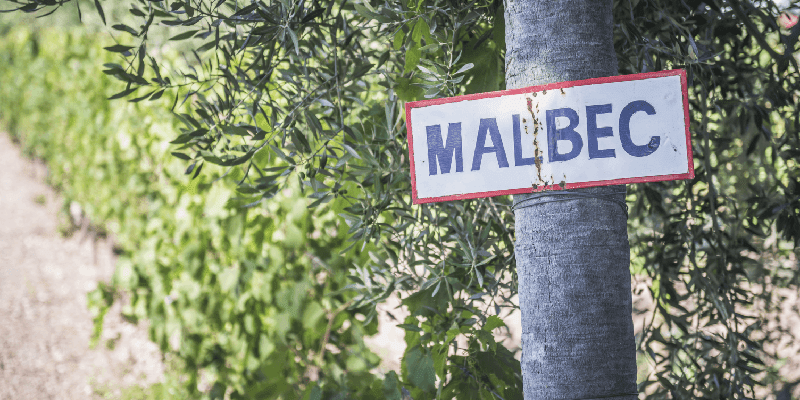
The characteristics of Malbec can range widely depending on where it’s grown and how it’s made, offering a fascinating array of styles. From the deep, dark fruit flavors often associated with Argentine Malbec to the more austere, tannic versions from France, this is a grape with significant range and adaptability. For those who enjoy robust red wines, Malbec offers an approachable yet complex option that pairs wonderfully with a variety of cuisines.
Grape Variety
Malbec is a red grape variety that has dramatically transformed its image and profile, particularly in the last few decades. Originally one of the six primary blending grapes in Bordeaux, France, Malbec has stepped out on its own to become a star, especially in Argentina where it’s often bottled as a single-varietal Malbec red wine. The thick-skinned grape is distinct for its small, dark, berries. These features contribute not only to Malbec’s intense, almost opaque color but also to its flavors and complex tannin structure.
The skin of the Malbec grape is exceptionally thick, which lends the wine its deeply pigmented hues as well as its robust tannic backbone. The thickness of the skin also makes the grape less susceptible to diseases compared to other red varieties, although it still requires a careful eye and hand in the vineyard due to its sensitivity to changes in the weather.
One of the intriguing aspects of the Malbec grape is its adaptability and sensitivity to terroir, the natural environment in which it’s grown. This sensitivity manifests not only in the flavor profile of the resulting wine but also in the vine’s growing habits. Malbec vines tend to thrive in high-altitude regions, like Mendoza in Argentina, where the combination of sunny days and cool nights allows the grape to develop full, robust flavors while maintaining crucial acidity.
While the Malbec vines have found a comfortable home in Argentina, they have not forgotten their French roots. In France, the grape is often referred to as “Côt” and is used both as a blending grape in Bordeaux and as the star in Cahors wines. In Cahors, the grape offers a more structured, tannic wine, a contrast to the plush, fruit-forward style found in Argentina. The different expressions of Malbec wine, whether in France, Argentina, or elsewhere, stand as a testament to the grape’s remarkable adaptability and range.
Regions Where It’s Grown
Although originally from France, Malbec has found considerable success in Argentina, particularly in the Mendoza region, where it has become the most widely planted grape. The high-altitude vineyards and intense sunlight of Mendoza contribute to a unique expression of Malbec that is ripe, plush, and extraordinarily flavorful.
In France, Malbec is often referred to as “Côt” and is primarily grown in the Cahors region. Here, the grape tends to produce wines that are more structured, with higher acidity and more pronounced tannins. While not as prolific as its Argentine counterpart, French Malbec offers a more austere style that can age gracefully. Other regions, including parts of Chile and smaller plantings in the United States, are also beginning to experiment with Malbec, yielding intriguing results.
Tasting Notes
Oaked Malbec
When aged in oak, Malbec wines typically exhibit a symphony of flavors that meld fruit, spice, and wood into a harmonious experience. The fruit flavors lean towards the darker end of the spectrum, featuring blackberry, plum, and noticeable hints of black cherry. The oak aging adds a layer of complexity to the wine, introducing warm spices like cinnamon and clove, along with elements of vanilla, leather, and sometimes even a smoky or charred quality. These wines are generally full-bodied, possessing a velvety texture punctuated by medium to high tannins, which make them an excellent blending grape in multi-varietal wines where structure and complexity are desired.
Unoaked Malbec
In contrast, unoaked Malbec showcases the grape in its most unadulterated form. Here, the spotlight is on the fruit itself, often presenting a more vibrant, slightly less complex, but still highly enjoyable drinking experience. The natural flavors of black cherry, plum, and raspberry are more upfront in unoaked Malbecs, complemented by herbal or floral notes depending on the terroir. These wines are still full-bodied but generally display softer tannins and more pronounced natural acidity, making them highly versatile for various food pairings.
Food Pairings
Malbec wine is a great choice for many kinds of foods, especially if you love red meat. Its strong flavors and high levels of tannins make it a perfect match for a grilled steak or barbecue. The smoky notes in Malbec enhance the taste of grilled or charred foods, making the meal even more enjoyable.
But this wine isn’t just for meat lovers. If you like spicy foods like Mexican or Indian dishes, Malbec is a great choice. The wine’s fruity flavor helps balance the heat from spices, making both the food and the wine taste better. For example, if you’re having enchiladas or a spicy curry, Malbec’s tannins help cleanse your palate, so you can better enjoy all the flavors in the dish.
Pasta dishes also pair well with Malbec. If you’re having spaghetti with meat sauce or a cheesy lasagna, Malbec’s fruitiness and acidity cut through the rich flavors, making each bite and sip a perfect match. Even if you prefer vegetarian foods like mushroom stew or eggplant Parmesan, Malbec’s strong flavors complement these dishes well.
Cheese fans are in for a treat too. Strong, aged cheeses like Blue Cheese, Gouda, or Cheddar go really well with Malbec. You could start or end your meal with a cheese board featuring a variety of these cheeses, along with some fruits and nuts.
Lastly, if you like lean red meats or gamey meats like venison or duck, Malbec is an excellent choice. The wine’s rich and complex flavors pair well with the strong, earthy taste of game meats. Overall, Malbec is a versatile wine that works with a wide range of foods, making it a great choice for many meals.
Serving Temperature
To fully appreciate Malbec’s nuanced flavors, it’s best to serve it slightly below room temperature, around 60-65°F (15-18°C).
Price Point
The pricing for Malbec can vary, but it’s generally considered to offer good value. While you can find excellent bottles under $20, higher-end versions, particularly those from renowned Argentine producers or complex Cahors blends, can fetch prices upwards of $50 or more.
Availability
Given its popularity, Malbec is widely available in most wine stores and online retailers. The range spans from everyday, approachable wines to more luxurious options suitable for special occasions or aging.
What to Look For
When selecting a Malbec, consider your preference for fruitiness versus structure. Argentine Malbecs are generally more fruit-forward and plush, while Cahors Malbecs offer more tannic structure and complexity. If you’re new to Malbec, starting with a mid-range Argentine bottle can offer a good introduction to the grape’s characteristic flavors and textures. Look for reputable producers and don’t be afraid to experiment with different regions to find the style that suits your palate best.
